Wilmington (937) 382-2347
Fax
(513) 932-1606
Wilmington (937) 382-2347
Fax
(513) 932-1606
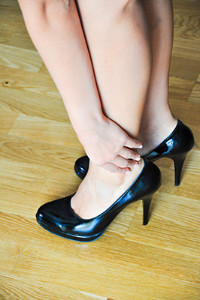
Wearing high heels on a daily basis puts excessive pressure on the balls and soles of your feet and toes, as well as on the back of the heel bone—all of which can cause a host of foot and ankle problems. You can try to help alleviate pain in the plantar fascia by applying light pressure while rolling a tennis ball under the ball of one foot as you stand on the other. Use small, circular motions moving from front-to-back, and switch sides after 30-60 seconds. You can also try to help stretch your calf muscles and strengthen your shins by lifting your toes off of the floor as you walk around in the morning getting ready. A podiatrist can offer more suggestions and therapies to help counter the effects of high heels, as well as treat any foot conditions they may have caused.
High heels have a history of causing foot and ankle problems. If you have any concerns about your feet or ankles, contact Dr. Gerald Perelman from Ohio. Our doctor can provide the care you need to keep you pain-free and on your feet.
Effects of High Heels on the Feet
High heels are popular shoes among women because of their many styles and societal appeal. Despite this, high heels can still cause many health problems if worn too frequently.
Which Parts of My Body Will Be Affected by High Heels?
What Kinds of Foot Problems Can Develop from Wearing High Heels?
How Can I Still Wear High Heels and Maintain Foot Health?
If you want to wear high heeled shoes, make sure that you are not wearing them every day, as this will help prevent long term physical problems. Try wearing thicker heels as opposed to stilettos to distribute weight more evenly across the feet. Always make sure you are wearing the proper shoes for the right occasion, such as sneakers for exercising. If you walk to work, try carrying your heels with you and changing into them once you arrive at work. Adding inserts to your heels can help cushion your feet and absorb shock. Full foot inserts or metatarsal pads are available.
If you have any questions please feel free to contact our office located in Wilmington, OH . We offer the newest diagnostic and treatment technologies for all your foot and ankle needs.
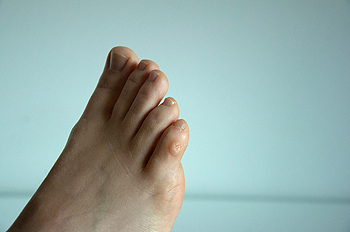 The main reason that corns develop is often due to excess friction. This can happen from wearing shoes that do not fit correctly. Corns can form on different parts of the foot. A soft corn is found between the toes, and can cause severe pain and discomfort. A hard corn can develop on the outside of the toe, or on the bottom of the foot. People who are diabetic may have a higher risk of developing an infection with corns. Patients have found mild relief when the affected foot is soaked in warm water, followed by using a pumice stone. It is beneficial to wear shoes that fit properly, as this may help to prevent the onset of corns. If you have a corn on any part of your foot, please consult with a podiatrist who can determine what the best course of treatment is for you.
Corns can make walking very painful and should be treated immediately. If you have questions regarding your feet and ankles, contact Dr. Gerald Perelman of Ohio. Our doctor will treat your foot and ankle needs.
Corns: What Are They? And How Do You Get Rid of Them?
Corns are thickened areas on the skin that can become painful. They are caused by excessive pressure and friction on the skin. Corns press into the deeper layers of the skin and are usually round in shape.
Ways to Prevent Corns
There are many ways to get rid of painful corns such as:
Treating Corns
Although most corns slowly disappear when the friction or pressure stops, this isn’t always the case. Consult with your podiatrist to determine the best treatment option for your case of corns.
If you have any questions please feel free to contact our office located in Wilmington, OH . We offer the newest diagnostic and treatment technologies for all your foot and ankle needs.

Have your child's feet been examined lately? Healthy feet are happy feet. If your child is complaining of foot pain, it may be a sign of underlying problems.
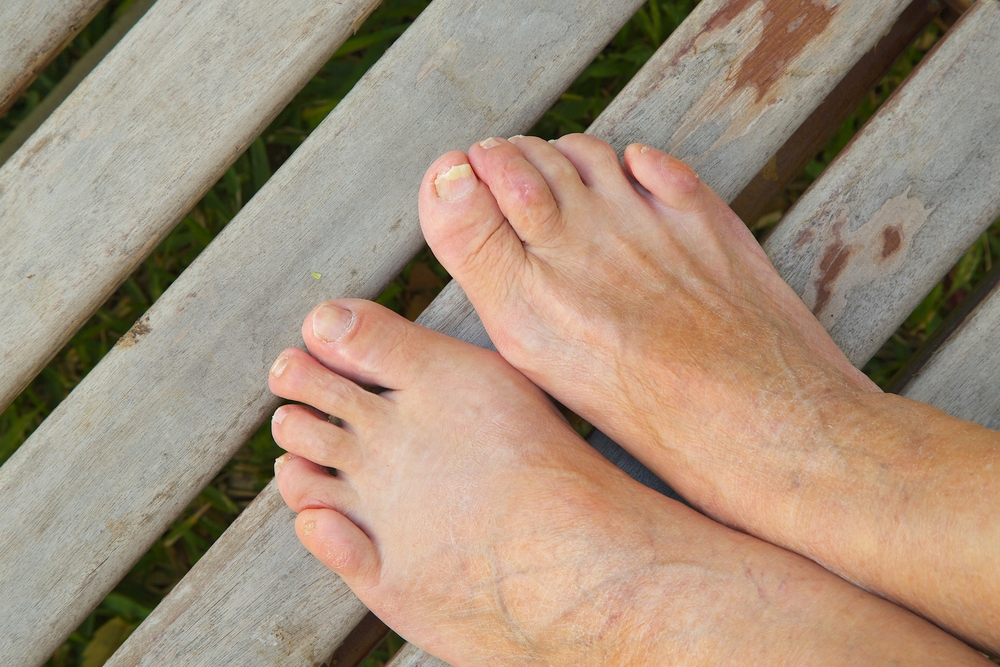
A hammertoe occurs when the middle joint in a toe is stuck in a bent position and the toe curls down, rather than laying flat. This deformity can develop in any toe other than the big toe. An imbalance in the muscles or tendons in the feet can lead to a hammertoe forming over time. Genetics may predispose certain people to hammertoes, which can be brought on by wearing pointy, narrow high heels. Having bunions, or certain diseases such as Charcot-Marie-Tooth, diabetes, or arthritis, can also contribute to the development of a hammertoe. In the early stages, the contraction is flexible and the toe can still move. In time, the bent toe can become rigid as the condition progresses. That is why it is important to seek the care of a podiatrist in the early stages, when more conservative therapies can be deployed to correct the deformity without surgery.
Hammertoe
Hammertoes can be a painful condition to live with. For more information, contact Dr. Gerald Perelman from Ohio. Our doctor will answer any of your foot- and ankle-related questions.
Hammertoe is a foot deformity that affects the joints of the second, third, fourth, or fifth toes of your feet. It is a painful foot condition in which these toes curl and arch up, which can often lead to pain when wearing footwear.
Symptoms
Causes
Genetics – People who are genetically predisposed to hammertoe are often more susceptible
Arthritis – Because arthritis affects the joints in your toes, further deformities stemming from arthritis can occur
Trauma – Direct trauma to the toes could potentially lead to hammertoe
Ill-fitting shoes – Undue pressure on the front of the toes from ill-fitting shoes can potentially lead to the development of hammertoe
Treatment
Orthotics – Custom made inserts can be used to help relieve pressure placed on the toes and therefore relieve some of the pain associated with it
Medications – Oral medications such as anti-inflammatories or NSAIDs could be used to treat the pain and inflammation hammertoes causes. Injections of corticosteroids are also sometimes used
Surgery – In more severe cases where the hammertoes have become more rigid, foot surgery is a potential option
If you have any questions please contact our office located in Wilmington, OH . We offer the newest diagnostic and treatment technologies for all your foot and ankle needs.
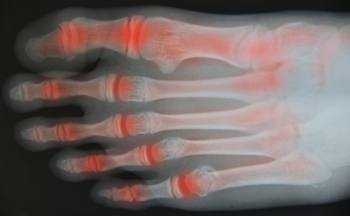
We often associate arthritis in the feet with aging, but there are many types of arthritis that can strike at any age. Osteoarthritis tends to be one of the more common conditions people are familiar with. This form of arthritis is caused by age-related degeneration of the cartilage between the joints. Rheumatoid arthritis on the other hand, is an autoimmune disorder that can affect young children. Gout, which is known for its sudden and very painful periodic flare ups, is also a type of arthritis. Generally, the early signs of arthritis in the feet include joint stiffness, pain, swelling, and warmth. The joints may also become deformed. Mucous cysts can sometimes form at the ends of the toes or underneath the toenails, and knobby growths called bone spurs may develop on the heels. If you detect any symptoms of arthritis in your feet, it is suggested that you seek the care of a podiatrist.
Arthritis can be a difficult condition to live with. If you are seeking treatment, contact Dr. Gerald Perelman from Ohio. Our doctor can provide the care you need to keep you pain-free and on your feet.
Arthritic Foot Care
Arthritis is a joint disorder that involves the inflammation of different joints in your body, such as those in your feet. Arthritis is often caused by a degenerative joint disease and causes mild to severe pain in all affected areas. In addition to this, swelling and stiffness in the affected joints can also be a common symptom of arthritis.
In many cases, wearing ill-fitting shoes can worsen the effects and pain of arthritis. Wearing shoes that have a lower heel and extra room can help your feet feel more comfortable. In cases of rheumatoid arthritis, the arch in your foot may become problematic. Buying shoes with proper arch support that contour to your feet can help immensely.
Alleviating Arthritic Pain
It is best to see your doctor for the treatment that is right for your needs and symptoms. Conditions vary, and a podiatrist can help you determine the right method of care for your feet.
If you have any questions, please feel free to contact our office located in Wilmington, OH . We offer the newest diagnostic tools and technology to treat your foot and ankle needs.
 Gerald K. Perelman - Default