Wilmington (937) 382-2347
Fax
(513) 932-1606
Wilmington (937) 382-2347
Fax
(513) 932-1606
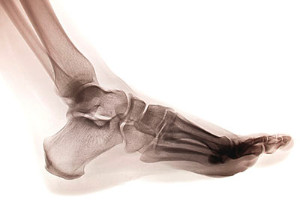
There are several bones in each foot, and a stress fracture occurs when there is a hairline break in one of the small bones. It often happens as a result of repetitive stress the feet endure from running or from frequently participating in jumping activities. The fractures are typically very small, despite how painful they can be. Many people choose to ignore the nagging pain in their foot, and it often becomes worse if it is not promptly treated. It may be a common injury among runners who increase their speed and frequency of running too soon, and this could gradually cause a stress fracture. This can be a result of a lack of strength and endurance from the muscles that cannot cope with added support that is needed when that activity increases. Additional reasons why stress fractures may occur include having an abnormal foot structure, wearing shoes that do not fit correctly, or having previous stress fractures. If you think you have endured this type of fracture, please speak with a podiatrist as quickly as possible who can properly treat this condition.
Activities where too much pressure is put on the feet can cause stress fractures. To learn more, contact Dr. Gerald Perelman from Ohio. Our doctor can provide the care you need to keep your pain free and on your feet.
Dealing with Stress Fractures of the Foot and Ankle
Stress fractures occur in the foot and ankle when muscles in these areas weaken from too much or too little use. The feet and ankles then lose support when walking or running from the impact of the ground. Since there is no protection, the bones receive the full impact of each step. Stress on the feet can cause cracks to form in the bones, thus creating stress fractures.
What Are Stress Fractures?
Stress fractures occur frequently in individuals whose daily activities cause great impact on the feet and ankles. Stress factors are most common among:
Symptoms
Pain from the fractures occur in the area of the fractures and can be constant or intermittent. It will often cause sharp or dull pain with swelling and tenderness. Engaging in any kind of activity which involves high impact will aggravate pain.
If you have any questions please feel free to contact our office located in Wilmington, OH . We offer the newest diagnostic and treatment technologies for all your foot and ankle needs.
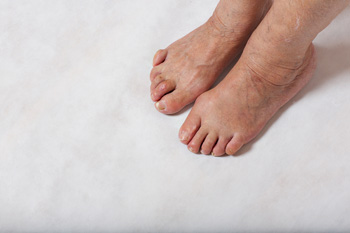
Of all the afflictions that can detrimentally affect the feet, some can manipulate the toes and the way that they function. Hammertoe is one such foot condition. An individual can develop hammertoe when the second, third, or fourth toe essentially points upward at the first toe joint. This condition is called hammertoe because the affected toe begins to resemble a hammer. There are two primary types of hammertoe. First, you may develop flexible hammertoe where the affected joint can still be moved. This is arguably the less severe case of hammertoe, because it can sometimes be treated by making simple adjustments, such as being more mindful of the footwear that one chooses. Second, you may develop rigid hammertoe, which restricts the individual from moving the affected toe joint. In some cases of rigid hammertoe, the condition can only be addressed through surgery. There are a variety of surgical procedures that might be used to address rigid hammertoe. For example, a medical professional might choose to perform a tendon transfer, joint resection, or fusion. If you suspect that you might have a hammertoe, reach out to a podiatrist who will be able to diagnose and treat the problem.
Hammertoe
Hammertoes can be a painful condition to live with. For more information, contact Dr. Gerald Perelman from Ohio. Our doctor will answer any of your foot- and ankle-related questions.
Hammertoe is a foot deformity that affects the joints of the second, third, fourth, or fifth toes of your feet. It is a painful foot condition in which these toes curl and arch up, which can often lead to pain when wearing footwear.
Symptoms
Causes
Genetics – People who are genetically predisposed to hammertoe are often more susceptible
Arthritis – Because arthritis affects the joints in your toes, further deformities stemming from arthritis can occur
Trauma – Direct trauma to the toes could potentially lead to hammertoe
Ill-fitting shoes – Undue pressure on the front of the toes from ill-fitting shoes can potentially lead to the development of hammertoe
Treatment
Orthotics – Custom made inserts can be used to help relieve pressure placed on the toes and therefore relieve some of the pain associated with it
Medications – Oral medications such as anti-inflammatories or NSAIDs could be used to treat the pain and inflammation hammertoes causes. Injections of corticosteroids are also sometimes used
Surgery – In more severe cases where the hammertoes have become more rigid, foot surgery is a potential option
If you have any questions please contact our office located in Wilmington, OH . We offer the newest diagnostic and treatment technologies for all your foot and ankle needs.

Regardless of your level of fitness or skill, or how often you play, you may experience an injury at some point while playing golf. Golf injuries can occur throughout the body, including the feet and ankles. The feet are critical to providing the necessary power and balance required as the body goes through the mechanics of the golf swing. Losing your footing, trying to strike the ball while balancing on an uneven surface, or having poor form while swinging may all contribute to injuries in the feet. Other golf injuries in the feet include ankle sprains, tendinitis, inflammation, and even blisters. You can help protect your feet and ankles while playing golf by improving your swinging form and wearing golf shoes that fit properly. To keep your feet and ankles in top form, or to learn more about how biomechanics can affect your game, make an appointment with a podiatrist.
Sports related foot and ankle injuries require proper treatment before players can go back to their regular routines. For more information, contact Dr. Gerald Perelman of Ohio. Our doctor can provide the care you need to keep you pain-free and on your feet.
Sports Related Foot and Ankle Injuries
Foot and ankle injuries are a common occurrence when it comes to athletes of any sport. While many athletes dismiss the initial aches and pains, the truth is that ignoring potential foot and ankle injuries can lead to serious problems. As athletes continue to place pressure and strain the area further, a mild injury can turn into something as serious as a rupture and may lead to a permanent disability. There are many factors that contribute to sports related foot and ankle injuries, which include failure to warm up properly, not providing support or wearing bad footwear. Common injuries and conditions athletes face, including:
Sports related injuries are commonly treated using the RICE method. This includes rest, applying ice to the injured area, compression and elevating the ankle. More serious sprains and injuries may require surgery, which could include arthroscopic and reconstructive surgery. Rehabilitation and therapy may also be required in order to get any recovering athlete to become fully functional again. Any unusual aches and pains an athlete sustains must be evaluated by a licensed, reputable medical professional.
If you have any questions please feel free to contact our office located in Wilmington, OH . We offer the newest diagnostic and treatment technologies for all your foot and ankle needs.

If left untreated, an ingrown toenail can lead to more serious concerns, such as an infection. Knowing proper nail care can help in the prevention of an ingrown toenail. Give us a call, and get treated!
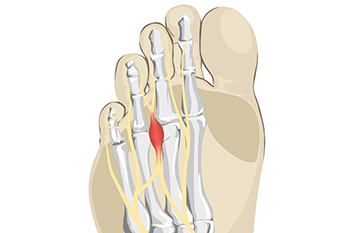
The foot condition that is known as Morton’s neuroma affects the nerve between the third and fourth toes. In severe cases, it is quite painful. This can possibly be treated without surgery in the beginning stages. It happens as a result of wearing shoes that do not have adequate room for the toes to move freely in. High heels fit into this category, and it is suggested to refrain from frequently wearing them. The nerve can gradually become compressed, and it will feel like there is a pebble in the sock or shoe. Additional symptoms can consist of burning pain and numbness in the toes. The pain may radiate to the ball of the foot, and it can be difficult to complete daily activities. A qualified doctor can perform a diagnosis by having an X-ray taken, and this can be helpful in ruling out a stress fracture. An MRI or ultrasound can also be performed, and these can eliminate conditions that may include bursitis and Freiberg’s disease. Some patients find it helpful to stretch the Achilles tendon and plantar fascia, which are located on the bottom of the foot. This may help to reduce a portion of the pain. If you have Morton’s neuroma, it is suggested that you meet with a podiatrist who can recommend the best treatment for you.
Morton’s neuroma is a very uncomfortable condition to live with. If you think you have Morton’s neuroma, contact Dr. Gerald Perelman of Ohio. Our doctor will attend to all of your foot care needs and answer any of your related questions.
Morton’s Neuroma
Morton's neuroma is a painful foot condition that commonly affects the areas between the second and third or third and fourth toe, although other areas of the foot are also susceptible. Morton’s neuroma is caused by an inflamed nerve in the foot that is being squeezed and aggravated by surrounding bones.
What Increases the Chances of Having Morton’s Neuroma?
Morton’s neuroma is a very treatable condition. Orthotics and shoe inserts can often be used to alleviate the pain on the forefront of the feet. In more severe cases, corticosteroids can also be prescribed. In order to figure out the best treatment for your neuroma, it’s recommended to seek the care of a podiatrist who can diagnose your condition and provide different treatment options.
If you have any questions, please feel free to contact our office located in Wilmington, OH . We offer the newest diagnostic and treatment technologies for all your foot care needs.
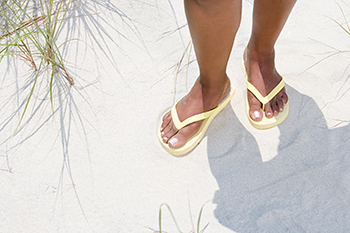
Many people choose to wear flip flops in the warmer months because of the many styles to choose from and their simplicity to wear. However, wearing flip flops can be harmful to the feet. Some of the ways the feet can be negatively affected include having a different gait, or walking style, and the toes can cramp from trying to keep the shoe on the foot. Additionally, the skin on the heels can become dry and cracked from frequently wearing this backless shoe, and the ankles may start to point inward. They typically do not provide any type of arch support, and if these types of shoes must be worn, it is suggested that they be worn for short periods of time. They are appropriate to wear to the beach, but are frowned upon if worn all day. If you would like additional information about how wearing flip flops can affect the feet, please speak with a podiatrist who can address any concerns you may have.
Flip-flops can cause a lot of problems for your feet. If you have any concerns about your feet or ankles, contact Dr. Gerald Perelman from Ohio. Our doctor will assist you with all of your foot and ankle needs.
Flip-Flops and Feet
Flip-flops have managed to become a summer essential for a lot of people. While the shoes may be stylish and easy to slip on and off, they can be dangerous to those who wear them too often. These shoes might protect you from fungal infections such as athlete’s foot, but they can also give you foot pain and sprained ankles if you trip while wearing them.
When Are They Okay to Wear?
Flip-flops should only be worn for very short periods of time. They can help protect your feet in places that are crawling with fungi, such as gym locker rooms. Athlete’s foot and plantar warts are two common fungi that flip-flops may help protect your feet against.
Why Are They Bad for My Feet?
These shoes do not offer any arch support, so they are not ideal for everyday use. They also do not provide shock absorption or heel cushioning which can be problematic for your feet. Additionally, you may suffer from glass cuts, puncture wounds, and stubbed toes since they offer little protection for your feet.
More Reasons Why They Are Bad for Your Feet
If you have any questions, please feel free to contact our office located in Wilmington, OH . We offer the newest diagnostic and treatment technologies for all your foot care needs.
 Gerald K. Perelman - Default