Wilmington (937) 382-2347

Fax
(513) 932-1606

Blog

Fungus and Athlete’s Foot

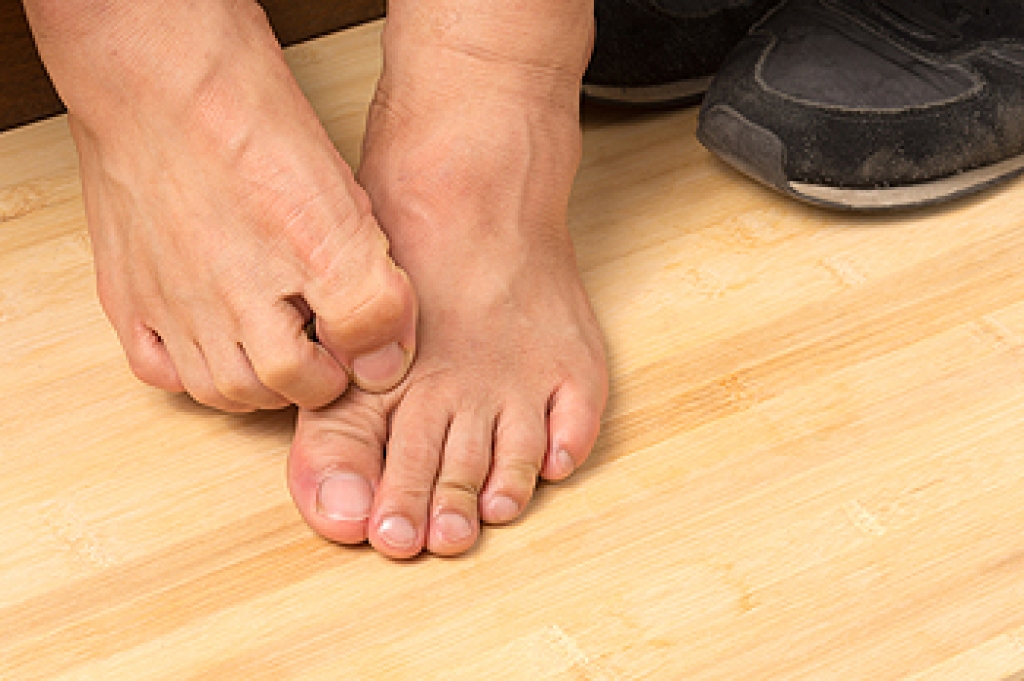
Athlete’s foot can result in severe itching between the toes and on the bottom of the feet, and the toenails may become discolored and brittle. Athlete’s foot is caused by a fungus that lives and thrives in warm and moist environments. These can include public swimming areas, locker rooms, and shower room floors. The fungus typically enters the body through tiny cracks in the skin on the feet and is considered to be contagious. Preventative methods include wearing appropriate shoes in these areas, and it is also helpful to refrain from sharing towels, socks, and shoes. If you are afflicted with athlete’s foot, please consult with a podiatrist who can prescribe the correct treatments for this condition.

Athlete’s Foot

Athlete’s foot is often an uncomfortable condition to experience. Thankfully, podiatrists specialize in treating athlete’s foot and offer the best treatment options. If you have any questions about athlete’s foot, consult with Dr. Gerald Perelman from Ohio. Our doctor will assess your condition and provide you with quality treatment.

What Is Athlete’s Foot?

Tinea pedis, more commonly known as athlete’s foot, is a non-serious and common fungal infection of the foot. Athlete’s foot is contagious and can be contracted by touching someone who has it or infected surfaces. The most common places contaminated by it are public showers, locker rooms, and swimming pools. Once contracted, it grows on feet that are left inside moist, dark, and warm shoes and socks.

Prevention

The most effective ways to prevent athlete’s foot include:

  • Thoroughly washing and drying feet
  • Avoid going barefoot in locker rooms and public showers
  • Using shower shoes in public showers
  • Wearing socks that allow the feet to breathe
  • Changing socks and shoes frequently if you sweat a lot

Symptoms

Athlete’s foot initially occurs as a rash between the toes. However, if left undiagnosed, it can spread to the sides and bottom of the feet, toenails, and if touched by hand, the hands themselves. Symptoms include:

  • Redness
  • Burning
  • Itching
  • Scaly and peeling skin

Diagnosis and Treatment

Diagnosis is quick and easy. Skin samples will be taken and either viewed under a microscope or sent to a lab for testing. Sometimes, a podiatrist can diagnose it based on simply looking at it. Once confirmed, treatment options include oral and topical antifungal medications.

If you have any questions, please feel free to contact our office located in Wilmington, OH . We offer the newest diagnostic and treatment technologies for all your foot care needs.
Read more about Athlete’s Foot

Diagnosis and Treatment for Heel Pain

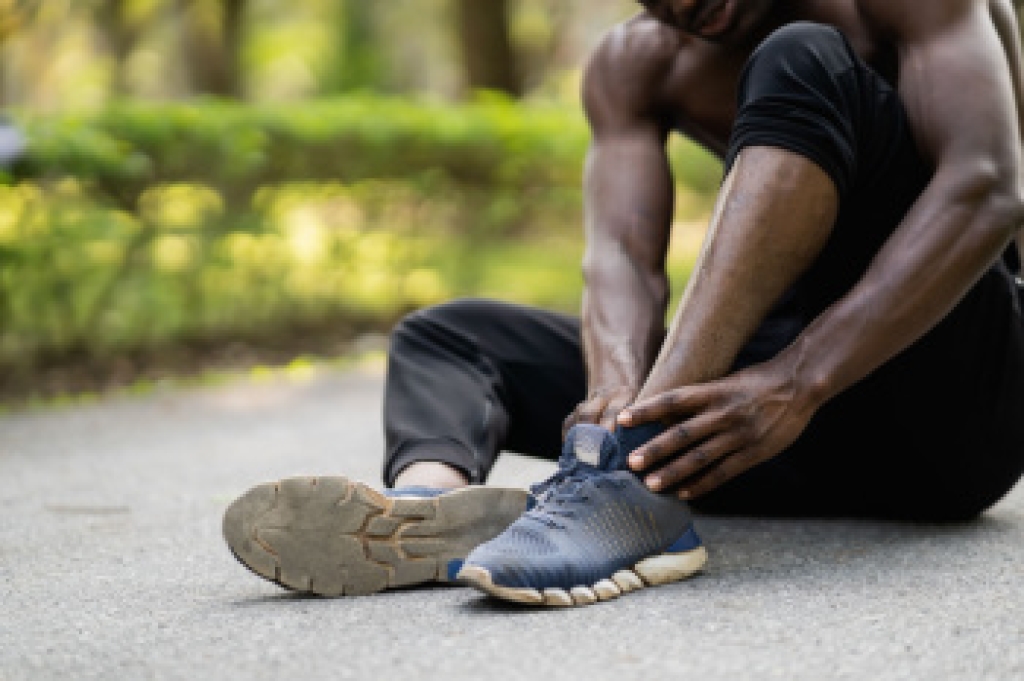
Heel pain is one of the most frequently reported foot problems and can make walking or standing difficult. It often develops from plantar fasciitis, Achilles tendon irritation, bone spurs, or stress on the heel from overuse or wearing poor footwear. A podiatrist begins by reviewing symptoms, examining the foot, and sometimes ordering imaging tests to pinpoint the cause. Treatment focuses on reducing inflammation, improving flexibility, and relieving pressure on the heel. This may include custom orthotics, targeted exercises, or advanced options such as laser or shockwave therapy. Supportive shoes and temporary rest from high-impact activity also help promote healing. Early evaluation ensures a faster recovery and prevents chronic pain from developing. If heel discomfort is limiting your movement or daily comfort, it is suggested that you schedule an appointment with a podiatrist for accurate diagnosis and effective care.

Many people suffer from bouts of heel pain. For more information, contact Dr. Gerald Perelman of Ohio. Our doctor can provide the care you need to keep you pain-free and on your feet.

Causes of Heel Pain

Heel pain is often associated with plantar fasciitis. The plantar fascia is a band of tissues that extends along the bottom of the foot. A rip or tear in this ligament can cause inflammation of the tissue.

Achilles tendonitis is another cause of heel pain. Inflammation of the Achilles tendon will cause pain from fractures and muscle tearing. Lack of flexibility is also another symptom.

Heel spurs are another cause of pain. When the tissues of the plantar fascia undergo a great deal of stress, it can lead to ligament separation from the heel bone, causing heel spurs.

Why Might Heel Pain Occur?

  • Wearing ill-fitting shoes                
  • Wearing non-supportive shoes
  • Weight change           
  • Excessive running

Treatments

Heel pain should be treated as soon as possible for immediate results. Keeping your feet in a stress-free environment will help. If you suffer from Achilles tendonitis or plantar fasciitis, applying ice will reduce the swelling. Stretching before an exercise like running will help the muscles. Using all these tips will help make heel pain a condition of the past.

If you have any questions, please feel free to contact our office located in Wilmington, OH . We offer the newest diagnostic and treatment technologies for all your foot care needs.
Read more about Heel Pain

Foot Biomechanics in the Elderly

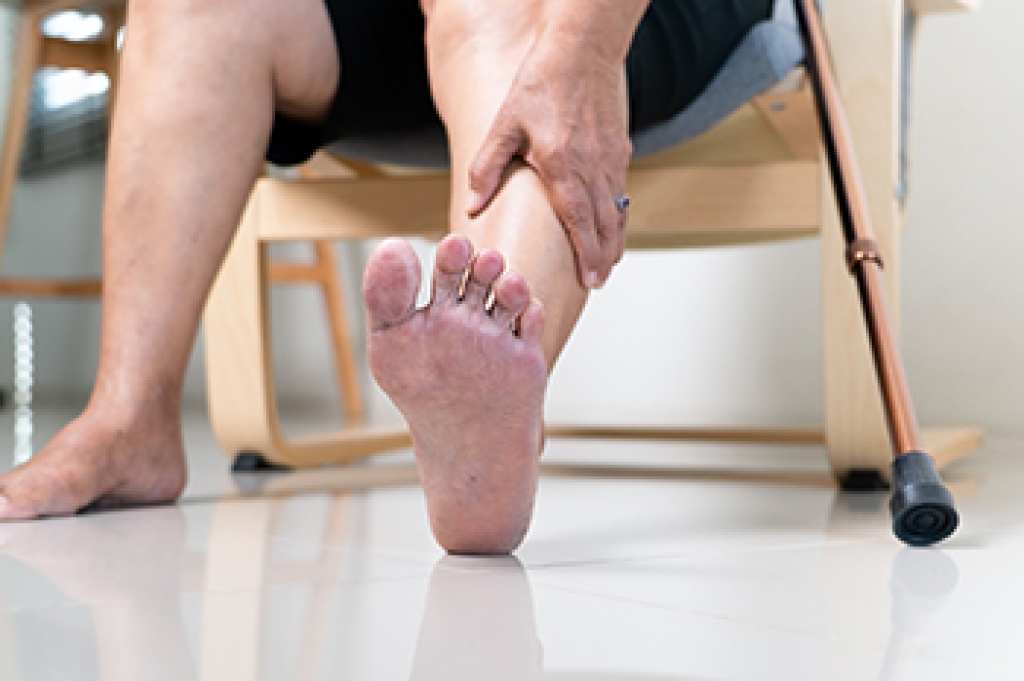
As people age, changes in foot biomechanics can lead to discomfort and reduced mobility. Soft tissue stiffness, decreased range of motion, and decreased strength often contribute to foot pain and difficulty performing weight bearing activities. These changes can impair balance and increase the risk of falls, affecting overall independence and quality of life. A podiatrist can evaluate gait, recommend supportive footwear, provide custom orthotics, and suggest exercises to improve strength and flexibility. If you are a senior and have foot pain, it is suggested that you consult a podiatrist who can treat various foot conditions, and guide you on keeping your feet healthy, strong, and capable of supporting an active lifestyle at any age.

If you have any concerns about your feet, contact Dr. Gerald Perelman from Ohio. Our doctor can provide the care you need to keep you pain-free and on your feet.

Biomechanics in Podiatry

Podiatric biomechanics is a particular sector of specialty podiatry with licensed practitioners who are trained to diagnose and treat conditions affecting the foot, ankle and lower leg. Biomechanics deals with the forces that act against the body, causing an interference with the biological structures. It focuses on the movement of the ankle, the foot and the forces that interact with them.

A History of Biomechanics

  • Biomechanics dates back to the BC era in Egypt where evidence of professional foot care has been recorded.
  • In 1974, biomechanics gained a higher profile from the studies of Merton Root, who claimed that by changing or controlling the forces between the ankle and the foot, corrections or conditions could be implemented to gain strength and coordination in the area.

Modern technological improvements are based on past theories and therapeutic processes that provide a better understanding of podiatric concepts for biomechanics. Computers can provide accurate information about the forces and patterns of the feet and lower legs.

Understanding biomechanics of the feet can help improve and eliminate pain, stopping further stress to the foot.

If you have any questions please feel free to contact our office located in Wilmington, OH . We offer the newest diagnostic and treatment technologies for all your foot and ankle needs.

Read more about The Importance of Biomechanics in Podiatry

Obesity May Affect Foot Structure

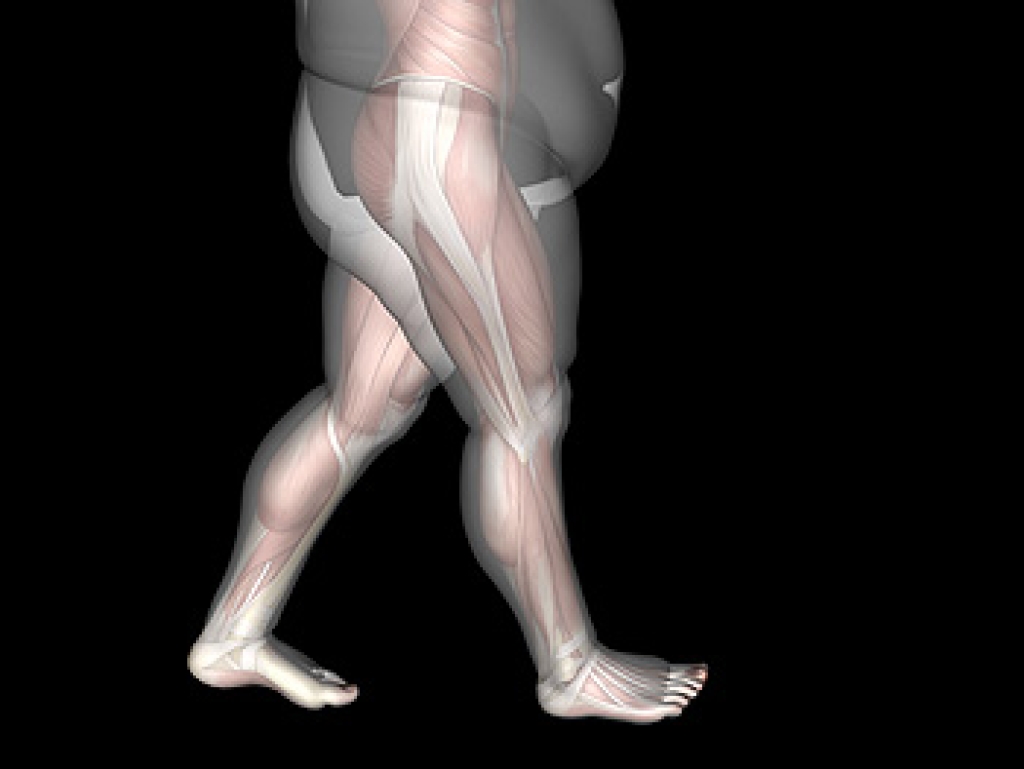
Research has indicated that an elevated body mass index may affect the structure of the foot. A common foot condition in overweight people is plantar fasciitis. This can happen as a result of the feet enduring the weight of the body, and the arches are generally affected. Obesity may lead to diabetes and poor circulation, and these ailments can cause serious foot conditions. It is beneficial to implement a healthy lifestyle which is conducive to maintaining a normal weight. This can consist of performing a gentle exercise routine, drinking plenty of water daily, and eating fruits and vegetables. If you are overweight and have pain in your feet, it is strongly suggested that you are under the care of a podiatrist who can help you to manage your foot pain.

The more you weigh, the harder your feet must work to support your body. If you’re an obese individual and are concerned about your feet, contact Dr. Gerald Perelman from Ohio. Our doctor can provide the care you need to keep you pain-free and on your feet.

Obesity and Your Feet

People who are overweight are putting more pressure on their ankles, knees, and hips as well as their feet. This unfortunately can lead to variety of different issues.

Problems & Complications Stemming from Obesity

  • When the body is overweight, it tries to compensate by changing the way that it moves. An obese person may lean forward and put extra weight on the wrong part of the foot. This puts unnecessary stress on the feet.
  • Obese people are also more likely to develop type II diabetes which is a condition that causes a lot of foot problems. People with diabetes often don’t feel the cuts and sores that they may have on their feet, which can lead to more complicated and severe issues.
  • Plantar fasciitis is another foot condition that can be caused by obesity. Plantar fasciitis is an inflammation of the tissue along the bottom of the foot, which causes pain and stiffness while walking and climbing stairs.

If you have any questions please contact our office located in Wilmington, OH . We offer the newest diagnostic and treatment technologies for all your foot and ankle needs.

Read more about Obesity and the Feet

Reminder: When Was the Last Time...?

Custom orthotics, or shoe inserts, should be periodically replaced. Orthotics must fit properly to give you the best results. Protect your feet and ankles!

Connect with us