Wilmington (937) 382-2347

Fax
(513) 932-1606

Blog

What Can Cause a Bunion?

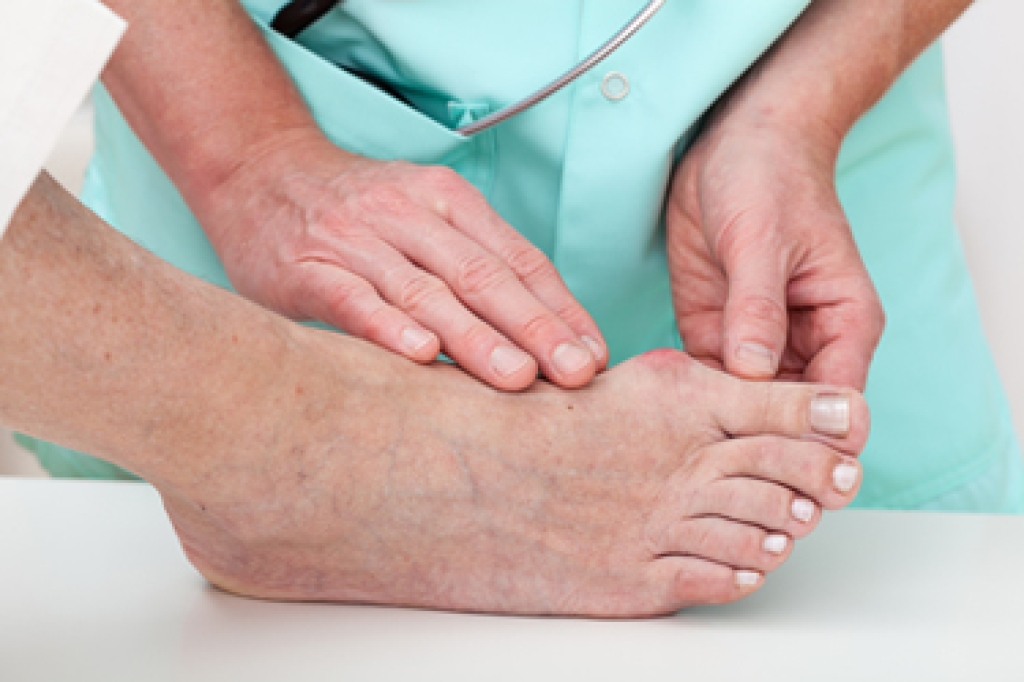
A bunion is a bony bump that forms at the main joint of the big toe because the joint was pulled out of alignment. This causes the big toe to be turned towards the rest of the toes. This condition gradually develops over time and becomes more and more painful around the base of the big toe. There are a variety of factors that can lead to the formation of bunions. Biomechanical factors such as overpronation or flat feet can lead to the development of a bunion. Footwear also plays a huge role in the formation of bunions because shoes that are too tight can put pressure on the toe, and the narrow toe box of high heels can also cause bunions to form. Age can play a role in the development of bunions because the ligaments in the toes lose strength over time. Patients who are struggling with bunion pain should visit a podiatrist for a proper treatment plan that may include orthotics or surgery. 

If you are suffering from bunion pain, contact Dr. Gerald Perelman of Ohio. Our doctor can provide the care you need to keep you pain-free and on your feet.

What Is a Bunion?

Bunions are painful bony bumps that usually develop on the inside of the foot at the joint of the big toe. As the deformity increases over time, it may become painful to walk and wear shoes. Women are more likely to exacerbate existing bunions since they often wear tight, narrow shoes that shift their toes together. Bunion pain can be relieved by wearing wider shoes with enough room for the toes.

Causes

  • Genetics – some people inherit feet that are more prone to bunion development
  • Inflammatory Conditions - rheumatoid arthritis and polio may cause bunion development

Symptoms

  • Redness and inflammation
  • Pain and tenderness
  • Callus or corns on the bump
  • Restricted motion in the big toe

In order to diagnose your bunion, your podiatrist may ask about your medical history, symptoms, and general health. Your doctor might also order an x-ray to take a closer look at your feet. Nonsurgical treatment options include orthotics, padding, icing, changes in footwear, and medication. If nonsurgical treatments don’t alleviate your bunion pain, surgery may be necessary.

If you have any questions, please feel free to contact our office located in Wilmington, OH . We offer the newest diagnostic and treatment technologies for all your foot care needs.
Read more about Bunions

What Is Achilles Tendonitis?

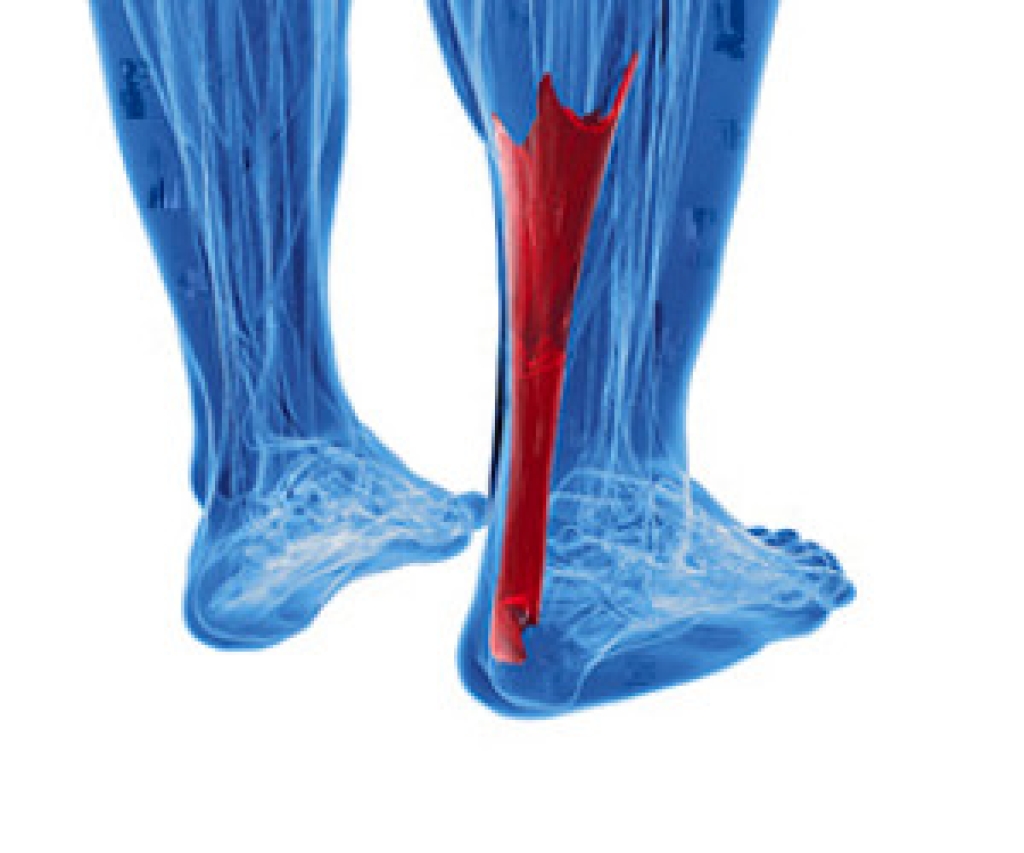
The large tendon on the back of the ankle which connects the calf muscles to the heel bone is known as the Achilles tendon. When this tendon becomes inflamed or degenerates, Achilles tendonitis can occur, which is also referred to as Achilles tendinopathy. This type of injury usually occurs due to overuse. Common factors that can contribute to the development of this condition may include poor foot biomechanics, improper footwear, wearing high heels, and over training. Patients who are noticing pain, stiffness, or tenderness in their Achilles tendon should consult with a podiatrist as soon as possible since Achilles tendonitis is easier to treat when diagnosed early.

Achilles tendon injuries need immediate attention to avoid future complications. If you have any concerns, contact Dr. Gerald Perelman of Ohio. Our doctor can provide the care you need to keep you pain-free and on your feet.

What Is the Achilles Tendon?

The Achilles tendon is a tendon that connects the lower leg muscles and calf to the heel of the foot. It is the strongest tendon in the human body and is essential for making movement possible. Because this tendon is such an integral part of the body, any injuries to it can create immense difficulties and should immediately be presented to a doctor.

What Are the Symptoms of an Achilles Tendon Injury?

There are various types of injuries that can affect the Achilles tendon. The two most common injuries are Achilles tendinitis and ruptures of the tendon.

Achilles Tendinitis Symptoms

  • Inflammation
  • Dull to severe pain
  • Increased blood flow to the tendon
  • Thickening of the tendon

Rupture Symptoms

  • Extreme pain and swelling in the foot
  • Total immobility

Treatment and Prevention

Achilles tendon injuries are diagnosed by a thorough physical evaluation, which can include an MRI. Treatment involves rest, physical therapy, and in some cases, surgery. However, various preventative measures can be taken to avoid these injuries, such as:

  • Thorough stretching of the tendon before and after exercise
  • Strengthening exercises like calf raises, squats, leg curls, leg extensions, leg raises, lunges, and leg presses

If you have any questions please feel free to contact our office located in Wilmington, OH . We offer the newest diagnostic tools and technology to treat your foot and ankle needs.

Read more about What are Achilles Tendon Injuries

Why Live with Pain and Numbness in Your Feet?

Suffering from this type of pain? You may have the foot condition known as Morton's neuroma. Morton's neuroma may develop as a result of ill-fitting footwear and existing foot deformities. We can help.

Preventing Tinea Pedis

Tinea pedis, also known as athlete’s foot, is a common fungal infection which affects the skin of the feet. Athlete’s foot causes the skin to become red, itchy, painful, cracked, or flaky. The skin may also peel. More severe infections can involve oozing blisters and a foul odor coming from the feet. Although it is contagious, this very unpleasant fungal infection can be prevented. Fungus thrives in warm, moist places like public pools, locker rooms, and showers. If you frequent these areas, avoid doing so barefoot. Always wear shoes to protect your feet. Keeping your feet cool and dry is also key to making them inhospitable to fungi. Wear shoes that allow your feet to breathe, and moisture-wicking socks. You should also avoid sharing personal items like shoes, socks, or towels with others, as fungi can spread through indirect contact with an infected person. If you have symptoms of athlete’s foot, please seek the care of a podiatrist. 

Athlete’s Foot

Athlete’s foot is often an uncomfortable condition to experience. Thankfully, podiatrists specialize in treating athlete’s foot and offer the best treatment options. If you have any questions about athlete’s foot, consult with Dr. Gerald Perelman from Ohio. Our doctor will assess your condition and provide you with quality treatment.

What Is Athlete’s Foot?

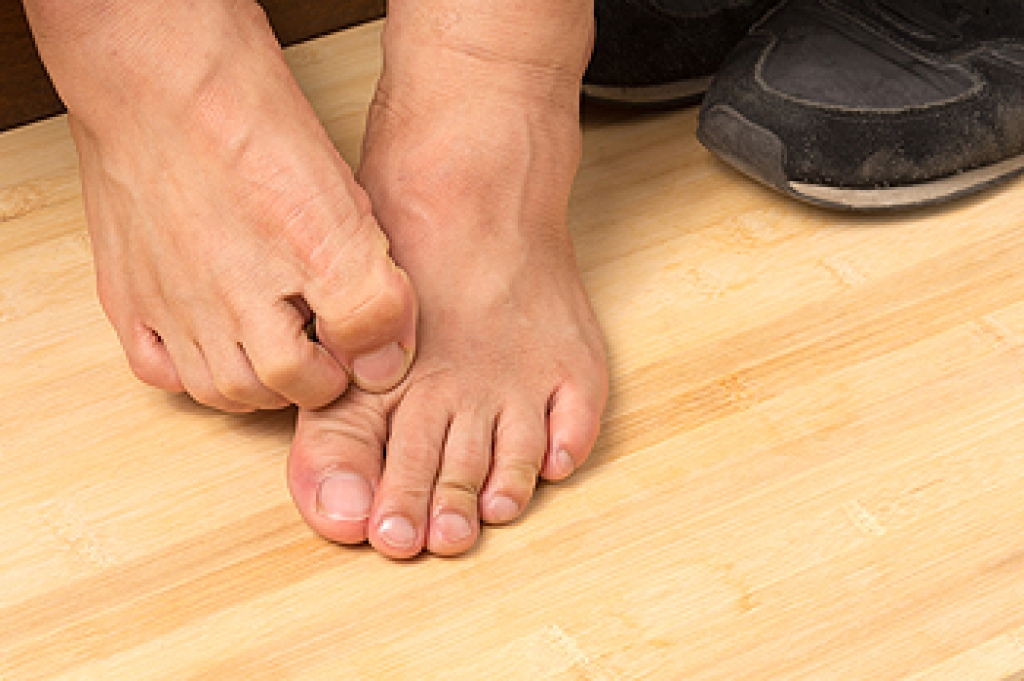
Tinea pedis, more commonly known as athlete’s foot, is a non-serious and common fungal infection of the foot. Athlete’s foot is contagious and can be contracted by touching someone who has it or infected surfaces. The most common places contaminated by it are public showers, locker rooms, and swimming pools. Once contracted, it grows on feet that are left inside moist, dark, and warm shoes and socks.

Prevention

The most effective ways to prevent athlete’s foot include:

  • Thoroughly washing and drying feet
  • Avoid going barefoot in locker rooms and public showers
  • Using shower shoes in public showers
  • Wearing socks that allow the feet to breathe
  • Changing socks and shoes frequently if you sweat a lot

Symptoms

Athlete’s foot initially occurs as a rash between the toes. However, if left undiagnosed, it can spread to the sides and bottom of the feet, toenails, and if touched by hand, the hands themselves. Symptoms include:

  • Redness
  • Burning
  • Itching
  • Scaly and peeling skin

Diagnosis and Treatment

Diagnosis is quick and easy. Skin samples will be taken and either viewed under a microscope or sent to a lab for testing. Sometimes, a podiatrist can diagnose it based on simply looking at it. Once confirmed, treatment options include oral and topical antifungal medications.

If you have any questions, please feel free to contact our office located in Wilmington, OH . We offer the newest diagnostic and treatment technologies for all your foot care needs.
Read more about How to Deal with Athlete's Foot

Lower Limb Swelling in the Elderly

Older adults often deal with swelling, or edema, in the feet and ankles. Edema occurs when fluids from blood vessels move into the spaces between cells near the surfaces of the feet and ankles. Common causes of lower limb edema include chronic venous insufficiency, congestive heart failure, certain medications, liver disease, kidney disease, or lymphedema. New or worsening swelling in the lower limbs should be evaluated by a doctor, especially if you also experience pain that limits your mobility or interferes with daily activities. If the cause of your swelling is chronic venous insufficiency, which is very common, it may help to elevate the legs, reduce salt intake, wear compression stockings, or exercise the calf muscles. To learn more about elderly foot care, please consult with a podiatrist. 

Proper foot care is something many older adults forget to consider. If you have any concerns about your feet and ankles, contact Dr. Gerald Perelman from Ohio. Our doctor can provide the care you need to keep you pain-free and on your feet.

The Elderly and Their Feet

As we age we start to notice many changes in our body, but the elder population may not notice them right away. Medical conditions may prevent the elderly to take notice of their foot health right away. Poor vision is a lead contributor to not taking action for the elderly.

Common Conditions 

  • Neuropathy – can reduce feeling in the feet and can hide many life-threatening medical conditions.
  • Reduced flexibility – prevents the ability of proper toenail trimming, and foot cleaning. If left untreated, it may lead to further medical issues.
  • Foot sores – amongst the older population can be serious before they are discovered. Some of the problematic conditions they may face are:
  • Gouging toenails affecting nearby toe
  • Shoes that don’t fit properly
  • Pressure sores
  • Loss of circulation in legs & feet
  • Edema & swelling of feet and ankles

Susceptible Infections

Diabetes and poor circulation can cause general loss of sensitivity over the years, turning a simple cut into a serious issue.

If you have any questions, please feel free to contact our office located in Wilmington, OH . We offer the newest diagnostic and treatment technologies for all your foot care needs.

Read more about Elderly and their Feet
Connect with us