Wilmington (937) 382-2347

Fax
(513) 932-1606

Blog

When You Might Need a Walking Boot

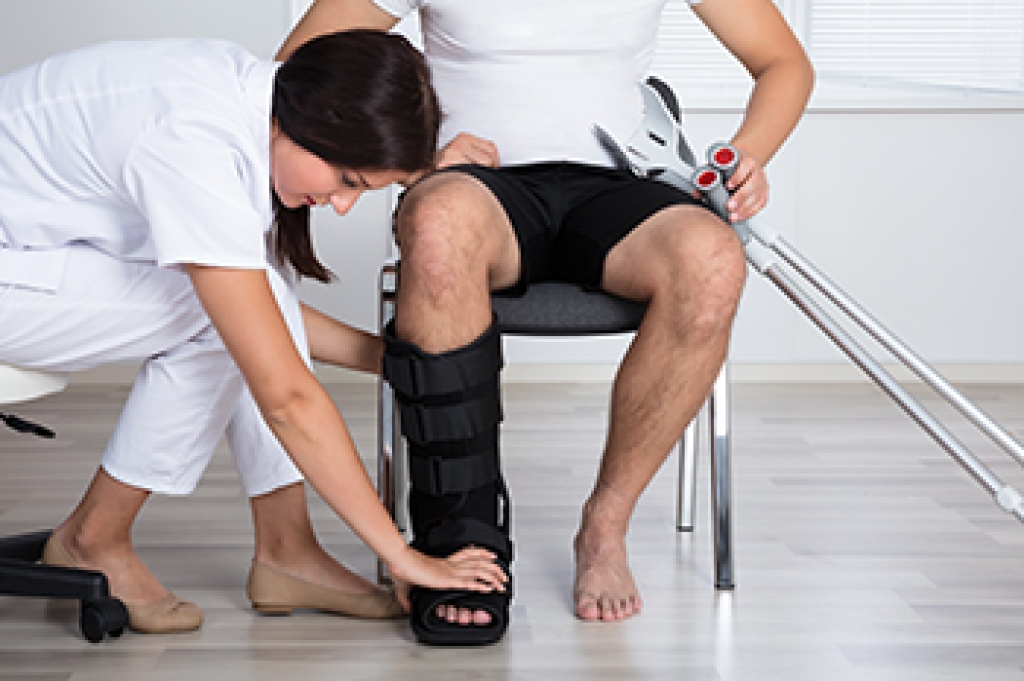
A walking boot is a supportive medical device used to protect the foot and ankle after an injury or surgery. It is often prescribed for fractures, severe sprains, torn tendons, and stress injuries. Tendons are strong tissues that connect muscles to bones. The boot limits movement and holds the foot in a stable position, which helps reduce pain and prevents further damage. Many walking boots have rigid outer shells, cushioned liners, and adjustable straps that extend above the ankle to improve stability. This design allows people to move more safely while healing. A podiatrist can evaluate swelling, bruising, and walking ability to decide if a walking boot is needed. They may also order imaging tests or X-rays to confirm a diagnosis and monitor recovery. If you believe you have endured a painful foot or ankle injury, it is suggested that you make an appointment with a podiatrist for an exam, diagnosis, and treatment.

If you are having discomfort in your feet and would like to try orthotics, contact Dr. Gerald Perelman from Ohio. Our doctor can provide the care you need to keep you pain-free and on your feet.

What Are Orthotics?

Orthotics are inserts you can place into your shoes to help with a variety of foot problems such as flat feet or foot pain. Orthotics provide relief and comfort for minor foot and heel pain but can’t correct serious biomechanical problems in your feet.

Over-the-Counter Inserts

Orthotics come in a wide variety of over-the-counter inserts that are used to treat foot pain, heel pain, and minor problems. For example, arch supports can be inserted into your shoes to help correct overarched or flat feet, while gel insoles are often used because they provide comfort and relief from foot and heel pain by alleviating pressure.

Prescription Orthotics

If over-the-counter inserts don’t work for you or if you have a more severe foot concern, it is possible to have your podiatrist prescribe custom orthotics. These high-quality inserts are designed to treat problems such as abnormal motion, plantar fasciitis, and severe forms of heel pain. They can even be used to help patients suffering from diabetes by treating foot ulcers and painful calluses and are usually molded to your feet individually, which allows them to provide full support and comfort.

If you are experiencing minor to severe foot or heel pain, it’s recommended to speak with your podiatrist about the possibilities of using orthotics. A podiatrist can determine which type of orthotic is right for you and allow you to take the first steps towards being pain-free.

If you have any questions, please feel free to contact our office located in Wilmington, OH . We offer the newest diagnostic and treatment technologies for all your foot care needs.
Read more about Ankle Foot Orthotics for Athletes

Toenail Disorders in Elderly People and the Value of Podiatric Care

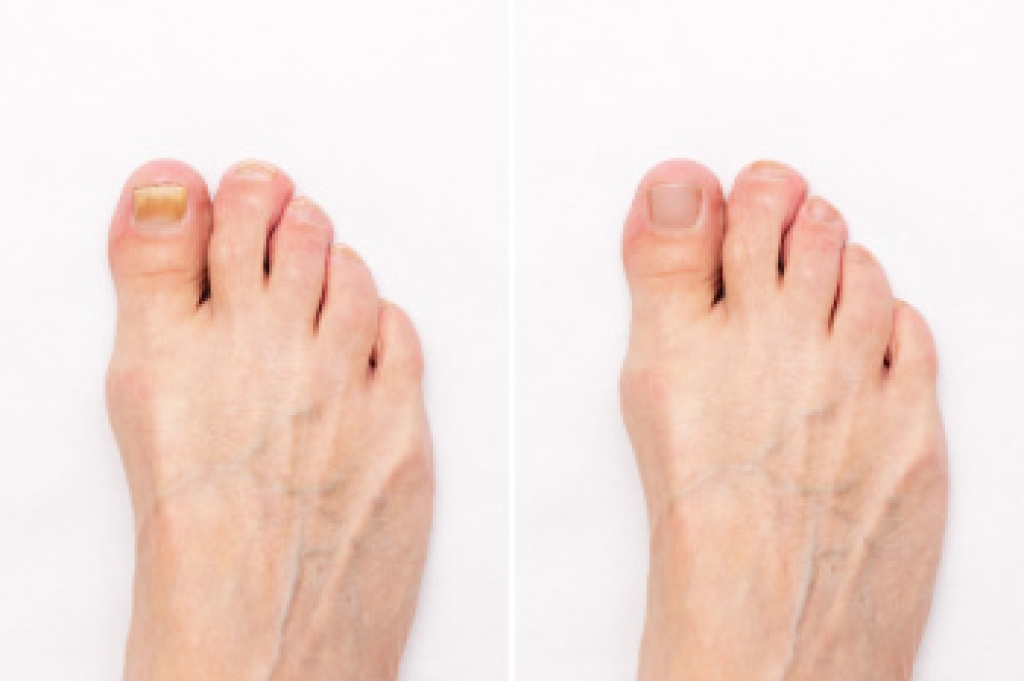
Toenail disorders are common among elderly people as natural aging-related changes affect nail growth and overall foot health. Nails often grow more slowly and may become thicker, brittle, or discolored, over time. Some individuals may develop nail hypertrophy, a condition in which the nail plate becomes abnormally thick and difficult to trim. Causes include reduced circulation, long-term pressure from footwear, fungal infections, and drug-related interactions that influence nail growth patterns. Symptoms may include thickened nails, discomfort while walking, and difficulty maintaining proper nail care. Risk factors include limited mobility, chronic health conditions, and decreased vision that makes self-care challenging. A podiatrist can safely trim and treat abnormal nails. If toenail changes or discomfort develop, it is suggested that you seek podiatric care to maintain healthy feet and mobility.

Proper foot care is something many older adults forget to consider. If you have any concerns about your feet and ankles, contact Dr. Gerald Perelman from Ohio. Our doctor can provide the care you need to keep you pain-free and on your feet.

The Elderly and Their Feet

As we age we start to notice many changes in our body, but the elder population may not notice them right away. Medical conditions may prevent the elderly to take notice of their foot health right away. Poor vision is a lead contributor to not taking action for the elderly.

Common Conditions 

  • Neuropathy – can reduce feeling in the feet and can hide many life-threatening medical conditions.
  • Reduced flexibility – prevents the ability of proper toenail trimming, and foot cleaning. If left untreated, it may lead to further medical issues.
  • Foot sores – amongst the older population can be serious before they are discovered. Some of the problematic conditions they may face are:
  • Gouging toenails affecting nearby toe
  • Shoes that don’t fit properly
  • Pressure sores
  • Loss of circulation in legs & feet
  • Edema & swelling of feet and ankles

Susceptible Infections

Diabetes and poor circulation can cause general loss of sensitivity over the years, turning a simple cut into a serious issue.

If you have any questions, please feel free to contact our office located in Wilmington, OH . We offer the newest diagnostic and treatment technologies for all your foot care needs.

Read more about Taking Care of Elderly Feet

Understanding Fifth Metatarsal Fractures

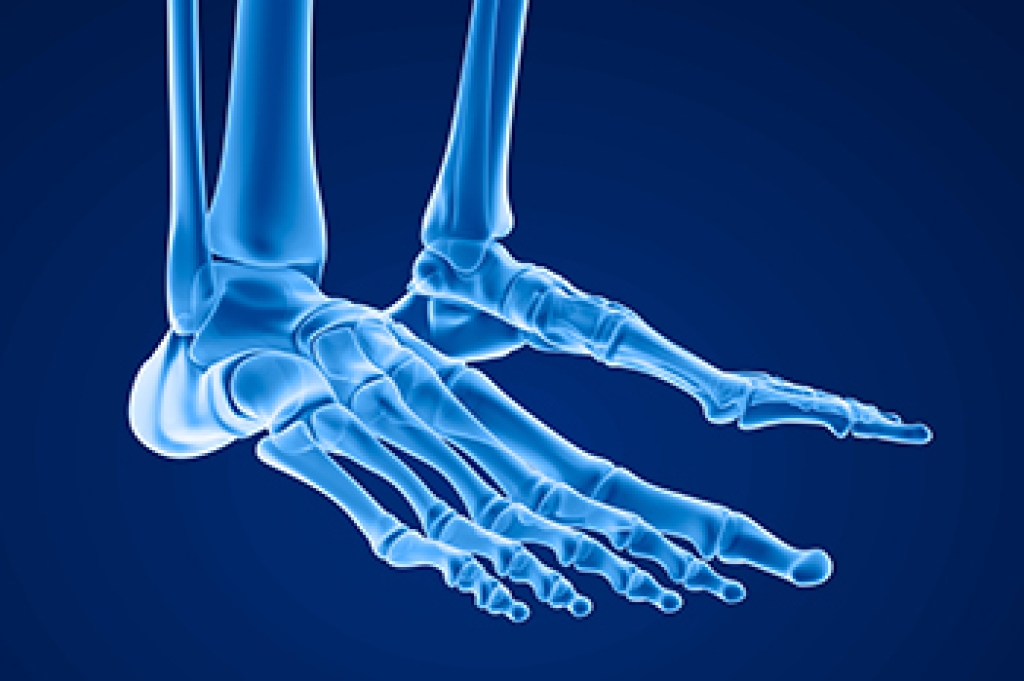
The metatarsals are the five long bones located in the mid-foot that connect the toes to the rest of the foot. The fifth metatarsal is the bone on the outer side that attaches to the small toe. A fracture in this bone is a common injury and can occur from a sudden twist, a fall, or repetitive stress. Pain is usually felt along the outer edge of the foot. Swelling, bruising, and difficulty putting weight on the foot often follow. Some fractures happen at the base of the bone, while others occur farther along the shaft. The exact location affects healing time and treatment decisions. Care may include immobilization with a walking boot, limited weight-bearing activity, or, in certain cases, surgical repair. Early diagnosis is important to prevent delayed healing. If you have persistent outer-foot pain after an injury, it is suggested that you see a podiatrist for a proper diagnosis and appropriate treatment.

A broken foot requires immediate medical attention and treatment. If you need your feet checked, contact Dr. Gerald Perelman from Ohio. Our doctor can provide the care you need to keep you pain-free and on your feet.

Broken Foot Causes, Symptoms, and Treatment

A broken foot is caused by one of the bones in the foot typically breaking when bended, crushed, or stretched beyond its natural capabilities. Usually the location of the fracture indicates how the break occurred, whether it was through an object, fall, or any other type of injury. 

Common Symptoms of Broken Feet:

  • Bruising
  • Pain
  • Redness
  • Swelling
  • Blue in color
  • Numbness
  • Cold
  • Misshapen
  • Cuts
  • Deformities

Those that suspect they have a broken foot shoot seek urgent medical attention where a medical professional could diagnose the severity.

Treatment for broken bones varies depending on the cause, severity and location. Some will require the use of splints, casts or crutches while others could even involve surgery to repair the broken bones. Personal care includes the use of ice and keeping the foot stabilized and elevated.

If you have any questions, please feel free to contact our office located in Wilmington, OH . We offer the newest diagnostic and treatment technologies for all your foot care needs.

Read more about Causes, Symptoms, and Treatment for a Broken Foot

Athlete's Foot and Why It Happens

Athlete's foot is a common fungal infection that affects the skin between the toes and sometimes spreads to the soles of the feet. It often presents as an itchy, scaly, red rash that can cause discomfort and cracking of the skin. This condition develops when fungi thrive in warm, damp environments such as the inside of shoes or boots, wet clothing, locker room floors, or public bathrooms. Risk factors include excessive sweating, wearing tight or non-breathable footwear, and shared communal spaces. A podiatrist can diagnose the infection, recommend antifungal treatments, and provide guidance on footwear and hygiene to prevent recurrence. If you have symptoms of athlete’s foot, it is suggested that you promptly consult a podiatrist who can begin early treatment, which can include prescribed medication.

Athlete’s foot is an inconvenient condition that can be easily reduced with the proper treatment. If you have any concerns about your feet and ankles, contact Dr. Gerald Perelman from Ohio.  Our doctor will treat your foot and ankle needs.

Athlete’s Foot: The Sole Story

Athlete's foot, also known as tinea pedis, can be an extremely contagious foot infection. It is commonly contracted in public changing areas and bathrooms, dormitory style living quarters, around locker rooms and public swimming pools, or anywhere your feet often come into contact with other people.

Solutions to Combat Athlete’s Foot

  • Hydrate your feet by using lotion
  • Exfoliate
  • Buff off nails
  • Use of anti-fungal products
  • Examine your feet and visit your doctor if any suspicious blisters or cuts develop

Athlete’s foot can cause many irritating symptoms such as dry and flaking skin, itching, and redness. Some more severe symptoms can include bleeding and cracked skin, intense itching and burning, and even pain when walking. In the worst cases, Athlete’s foot can cause blistering as well. Speak to your podiatrist for a better understanding of the different causes of Athlete’s foot, as well as help in determining which treatment options are best for you.

If you have any questions please feel free to contact our office located in Wilmington, OH . We offer the newest diagnostic and treatment technologies for all your foot and ankle needs.

Read more about How to Deal with Athlete's Foot

Why Live with Pain and Numbness in Your Feet?

Suffering from this type of pain? You may have the foot condition known as Morton's neuroma. Morton's neuroma may develop as a result of ill-fitting footwear and existing foot deformities. We can help.

Connect with us