Wilmington (937) 382-2347

Fax
(513) 932-1606

Blog

How Do I Get Rid Of a Foot Blister?

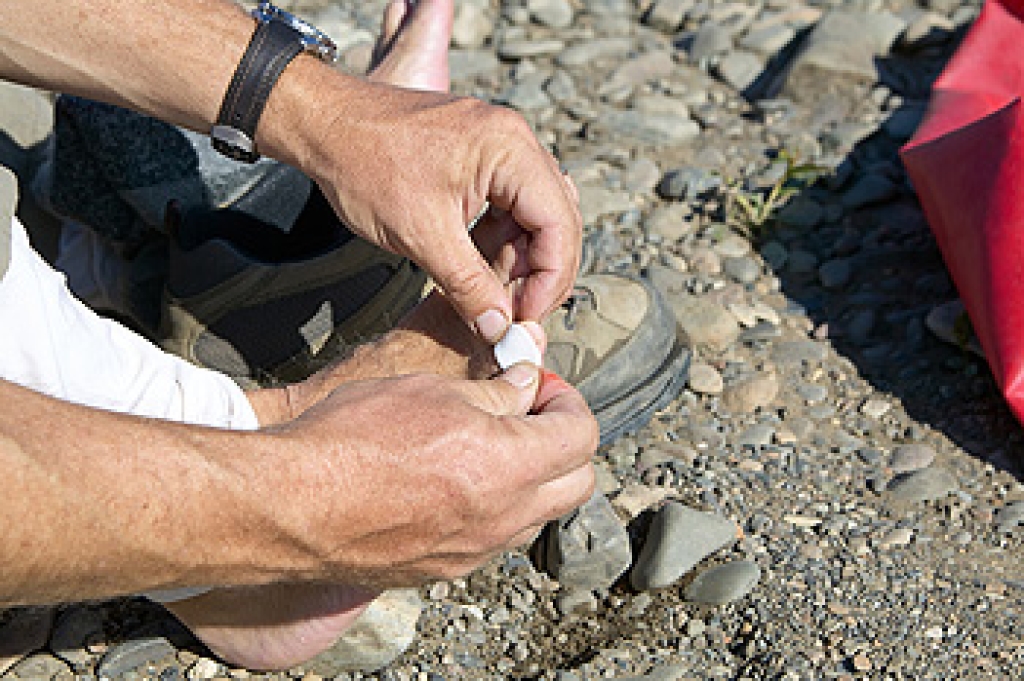
Blisters often occur on the feet due to friction from shoes or socks rubbing against a part of the foot while you walk. Fortunately, blisters usually don’t require any special care and typically go away on their own. If you see a blister on your foot, protect it by covering it with a loosely wrapped bandage or cushioning it with an adhesive bandage. This will help prevent the blister from popping, which can be painful and expose the raw skin underneath the blister to infection. While usually not serious, foot blisters do sometimes require medical care. If your blister is showing signs of infection or becoming more painful over time, or if you are prone to getting blisters over and over again, please seek the care of a podiatrist. 

Blisters are prone to making everyday activities extremely uncomfortable. If your feet are hurting, contact Dr. Gerald Perelman of Ohio. Our doctor can provide the care you need to keep you pain-free and on your feet.

Foot Blisters

Foot blisters develop as a result of constantly wearing tight or ill-fitting footwear. This happens due to the constant rubbing from the shoe, which can often lead to pain.

What Are Foot Blisters?

A foot blister is a small fluid-filled pocket that forms on the upper-most layer of the skin. Blisters are filled with clear fluid and can lead to blood drainage or pus if the area becomes infected.

How Do Blisters Form?

Blisters on the feet are often the result of constant friction of skin and material, usually by shoe rubbing. Walking in sandals, boots, or shoes that don’t fit properly for long periods of time can result in a blister. Having consistent foot moisture and humidity can easily lead to blister formation.

Prevention & Treatment

It is important to properly care for the affected area in order to prevent infection and ease the pain. Do not lance the blister and use a Band-Aid to provide pain relief. Also, be sure to keep your feet dry and wear proper fitting shoes. If you see blood or pus in a blister, seek assistance from a podiatrist.

If you have any questions, please feel free to contact our office located in Wilmington, OH . We offer the newest diagnostic and treatment technologies for all your foot care needs.
Read more about Blisters

Heel and Arch Pain May Indicate Plantar Fasciitis

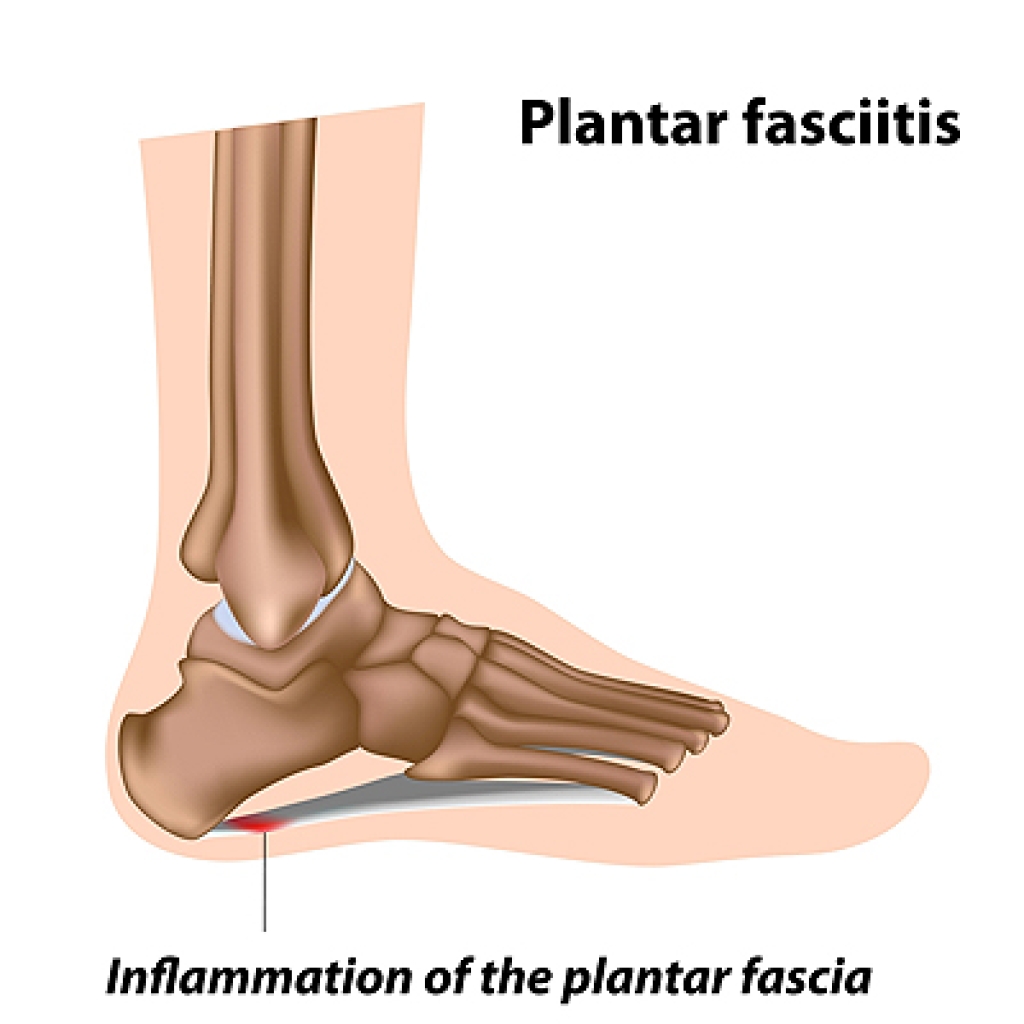
Plantar fasciitis is a common foot condition that many patients suffer from. It occurs when the plantar fascia becomes inflamed and can cause severe difficulty in walking. The plantar fascia is a band of tissue that connects the heel to the toes, and is found along the sole of the foot. Plantar fasciitis can be caused for a variety of reasons, including standing on hard surfaces for the majority of the day, wearing shoes that do not fit correctly, or it may come from having low or high arches. The pain is often felt in the heel and may be worse upon arising in the morning. It can help to perform specific stretches, and mild relief may be found when supportive insoles are worn. In severe cases, splints may have to be worn while sleeping, and this may help to stretch the feet. If you have heel pain, it is strongly suggested that you seek the counsel of a podiatrist who can effectively treat plantar fasciitis.

Plantar fasciitis is a common foot condition that is often caused by a strain injury. If you are experiencing heel pain or symptoms of plantar fasciitis, contact Dr. Gerald Perelman from Ohio. Our doctor can provide the care you need to keep you pain-free and on your feet.

What Is Plantar Fasciitis?

Plantar fasciitis is one of the most common causes of heel pain. The plantar fascia is a ligament that connects your heel to the front of your foot. When this ligament becomes inflamed, plantar fasciitis is the result. If you have plantar fasciitis you will have a stabbing pain that usually occurs with your first steps in the morning. As the day progresses and you walk around more, this pain will start to disappear, but it will return after long periods of standing or sitting.

What Causes Plantar Fasciitis?

  • Excessive running
  • Having high arches in your feet
  • Other foot issues such as flat feet
  • Pregnancy (due to the sudden weight gain)
  • Being on your feet very often

There are some risk factors that may make you more likely to develop plantar fasciitis compared to others. The condition most commonly affects adults between the ages of 40 and 60. It also tends to affect people who are obese because the extra pounds result in extra stress being placed on the plantar fascia.

Prevention

  • Take good care of your feet – Wear shoes that have good arch support and heel cushioning.
  • Maintain a healthy weight
  • If you are a runner, alternate running with other sports that won’t cause heel pain

There are a variety of treatment options available for plantar fasciitis along with the pain that accompanies it. Additionally, physical therapy is a very important component in the treatment process. It is important that you meet with your podiatrist to determine which treatment option is best for you.

If you have any questions, please feel free to contact our office located in Wilmington, OH . We offer the newest diagnostic and treatment technologies for all your foot care needs.
 

Read more about Plantar Fasciitis

Wounds That Don't Heal Need to Be Checked

Your feet are covered most of the day. If you're diabetic, periodic screening is important for good health. Numbness is often a sign of diabetic foot and can mask a sore or wound.

Treatments for Cracked Heels

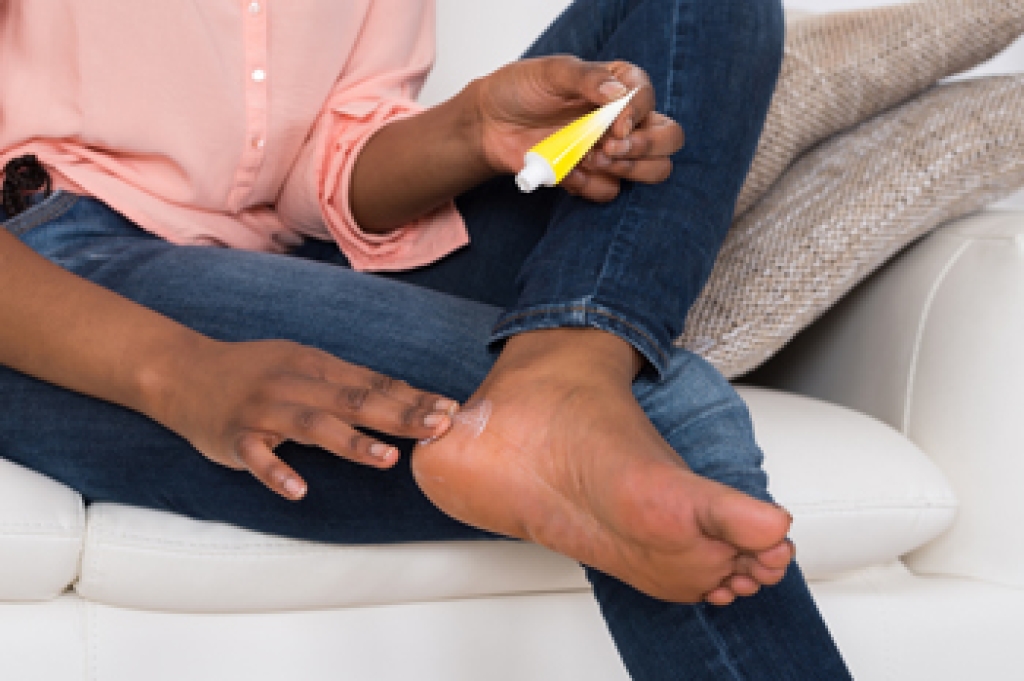
Cracked heels, also known as heel fissures, occur when the skin on the heel splits or cracks. As it dries, the heel’s skin loses its strength and elasticity, and they become hard, dry, and flaky. Common causes of cracked heels include long periods of standing, poorly fitting shoes, dry and cold weather, or obesity. Patients who are struggling with dry and cracked heels should frequently apply moisturizer to the heels, avoid harsh soaps, avoid long harsh showers, use a pumice stone, or use a liquid bandage. However, in severe cases of cracked heels, the help of a podiatrist may be necessary. A podiatrist can help remove dead skin, prescribe stronger softening medications, prescribe antibiotics for infections, and recommend shoe inserts or heel pads. Therefore, if you are struggling with cracked heels don’t hesitate to visit a podiatrist for treatment recommendations!

If the skin on your feet starts to crack, you may want to see a podiatrist to find treatment. If you have any concerns, contact Dr. Gerald Perelman from Ohio. Our doctor can provide the care you need to keep you pain-free and on your feet.

Cracked Heels

It is important to moisturize your cracked heels in order to prevent pain, bleeding, and infection. The reason cracked heels form is because the skin on the foot is too dry to support the immense pressure placed on them. When the foot expands, the dry skin on the foot begins to split.

Ways to Help Heal Them

  • Invest in a good foot cream
  • Try Using Petroleum Jelly
  • Ease up on Soaps
  • Drink Plenty of Water

Ways to Prevent Cracked Heels

  • Moisturize After Showering
  • Skip a Shower
  • Keep Shower Water Lukewarm
  • Don’t Scrub Your Feet

If you are unsure how to proceed in treating cracked heels, seek guidance from a podiatrist. Your doctor will help you with any questions or information you may need. 

If you have any questions, please feel free to contact our office located in Wilmington, OH . We offer the newest diagnostic and treatment technologies for all your foot care needs.

Read more about Solutions for Cracked Heels

Active and Overweight Children May Develop Sever’s Disease

The medical term for Sever’s Disease is calcaneal apophysitis. It is an uncomfortable foot condition that can affect active teenagers and children as they reach adolescence. It occurs as a result of different growing speeds of the tendons and growth plate in the heel. This can cause the tendons to become tight, putting stress on the heel. Children who frequently participate in running and jumping activities and young teenagers who are overweight may experience Sever’s disease. Mild relief can be found when the affected foot is elevated, and it may help to relieve swelling on the heel by wearing compression socks. If your child or teen is limping, it is suggested that you schedule a consultation with a podiatrist who can help them find the right treatment options.

Sever's disease often occurs in children and teens. If your child is experiencing foot or ankle pain, see Dr. Gerald Perelman from Ohio. Our doctor can treat your child’s foot and ankle needs.

Sever’s Disease

Sever’s disease is also known as calcaneal apophysitis, which is a medical condition that causes heel pain I none or both feet. The disease is known to affect children between the ages of 8 and 14.

Sever’s disease occurs when part of the child’s heel known as the growth plate (calcaneal epiphysis) is attached to the Achilles tendon. This area can suffer injury when the muscles and tendons of the growing foot do not keep pace with bone growth. Therefore, the constant pain which one experiences at the back of the heel will make the child unable to put any weight on the heel. The child is then forced to walk on their toes.

Symptoms

Acute pain – Pain associated with Sever’s disease is usually felt in the heel when the child engages in physical activity such as walking, jumping and or running.

Highly active – Children who are very active are among the most susceptible in experiencing Sever’s disease, because of the stress and tension placed on their feet.

If you have any questions, please feel free to contact our office located in Wilmington, OH . We offer the newest diagnostic and treatment technologies for all your foot care needs.

Read more about Sever's Disease
Connect with us