Wilmington (937) 382-2347

Fax
(513) 932-1606

Blog

Causes and Symptoms of Psoriatic Arthritis in the Feet

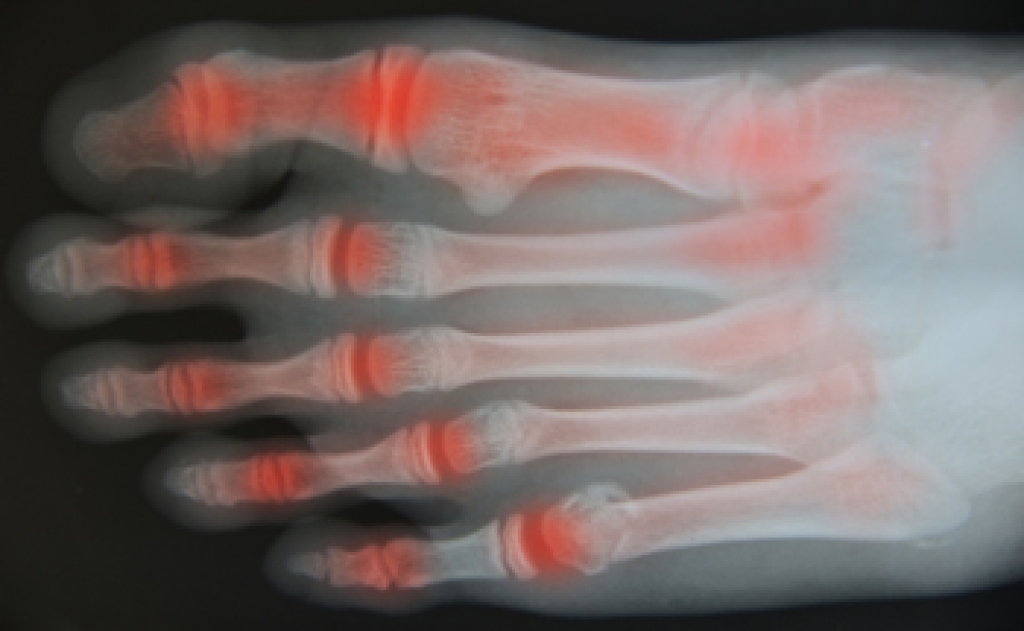
Psoriatic arthritis is an inflammatory condition linked to psoriasis that often affects the feet and toes. It can develop when the immune system mistakenly attacks healthy joints and tissues. Common causes include genetic factors and immune system dysfunction. Symptoms in the feet may include joint pain, swelling, stiffness, and changes in toenails, such as pitting or separation from the nail bed. The inflammation can make walking difficult and painful. A podiatrist can help by evaluating joint function, managing inflammation, recommending supportive footwear or orthotics, and coordinating care with other specialists. If you experience persistent foot pain with a history of psoriasis, it is suggested that you are under the care of a podiatrist to receive expert care, while improving your mobility.

Arthritis can be a difficult condition to live with. If you are seeking treatment, contact Dr. Gerald Perelman from Ohio. Our doctor can provide the care you need to keep you pain-free and on your feet.

Arthritic Foot Care  

Arthritis is a term that is commonly used to describe joint pain.  The condition itself can occur to anyone of any age, race, or gender, and there are over 100 types of it.  Nevertheless, arthritis is more commonly found in women compared to men, and it is also more prevalent in those who are overweight. The causes of arthritis vary depending on which type of arthritis you have. Osteoarthritis for example, is often caused by injury, while rheumatoid arthritis is caused by a misdirected immune system.

Symptoms

  • Swelling
  • Pain
  • Stiffness
  • Decreased Range of Motion

Arthritic symptoms range in severity, and they may come and go. Some symptoms stay the same for several years but could potentially get worse with time. Severe cases of arthritis can prevent its sufferers from performing daily activities and make walking difficult.

Risk Factors

  • Occupation – Occupations requiring repetitive knee movements have been linked to osteoarthritis
  • Obesity – Excess weight can contribute to osteoarthritis development
  • Infection – Microbial agents can infect the joints and trigger arthritis
  • Joint Injuries – Damage to joints may lead to osteoarthritis
  • Age – Risk increases with age
  • Gender –Most types are more common in women
  • Genetics – Arthritis can be hereditary

If you suspect your arthritis is affecting your feet, it is crucial that you see a podiatrist immediately. Your doctor will be able to address your specific case and help you decide which treatment method is best for you.

If you have any questions please feel free to contact our office located in Wilmington, OH . We offer the newest diagnostic tools and technology to treat your foot and ankle needs.

Read more about How to Care for Your Arthritic Foot

Lymphoedema and Foot Swelling

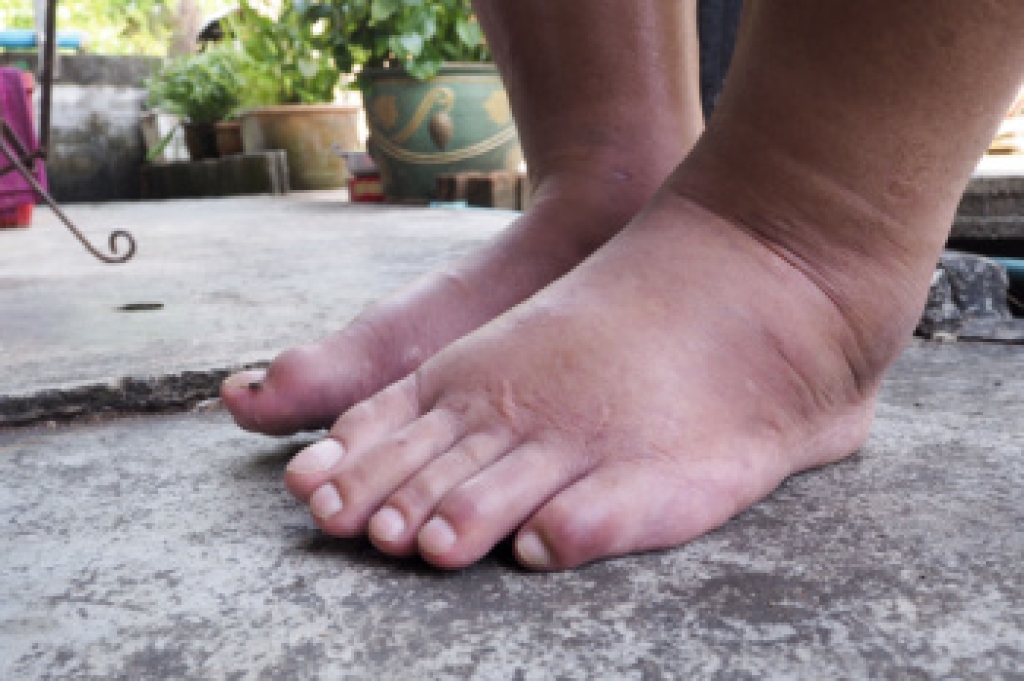
Lymphoedema ioccurs when the lymphatic system becomes damaged or blocked, leading to the buildup of lymphatic fluid in the tissues. This causes swelling, often in the arms or legs, and can significantly affect the feet. Swollen feet may feel heavy, tight, or uncomfortable, and the skin may become thickened or prone to infection. A podiatrist can help manage lymphoedema-related foot swelling by recommending proper footwear, compression therapy, and skin care routines to reduce discomfort and prevent complications. They can also monitor for signs of infection and support overall foot health. If you notice persistent swelling in your feet, it is suggested that you schedule a visit with a podiatrist for guidance, treatment, and relief.

Swollen feet can be a sign of an underlying condition. If you have any concerns, contact Dr. Gerald Perelman of Ohio. Our doctor can provide the care you need to keep you pain-free and on your feet.

Swollen feet are a common ailment among pregnant women and people who stand or sit for extended periods. Aging may increase the possibility of swollen feet and patients who are obese often notice when their feet are swelling too. There may be medical reasons why swollen feet occur:

  • Phlebitis - A condition that causes the veins to become inflamed and can also cause leg pain.
  • Liver disease - This may lead to low blood levels of albumin which is a protein. This can cause fluid in the blood to pass into the tissues and several areas of the body can become swollen.
  • Heart failure - When the heart doesn’t pump properly the blood that is normally pumped back to the heart can pool in the veins of the legs causing swollen feet.
  • Kidney disease - One of the main functions of the kidneys is releasing excess fluid in the body. This type of condition can make it difficult for the kidneys to function properly, and as a result the feet may become swollen.
  • Deep-vein thrombosis (DVT)- This is a serious condition where blood clots form in the veins of the legs. They can block the return of blood from the legs to the heart which may cause the feet to swell. It is important to be treated by a podiatrist if this condition is present.

Swollen feet can also be caused by bone and tendon conditions, including fractures, arthritis, and tendinitis. Additionally, there may be skin and toenail conditions and an infection may cause the feet to swell. Patients who take medicine to treat high blood pressure may be prone to getting swollen feet. 

Many patients elevate their feet to help relieve the swelling and this is generally a temporary remedy. When a podiatrist is consulted the reason behind the swelling can be uncovered and subsequently treated.

If you have any questions please contact our office located in Wilmington, OH . We offer the newest diagnostic and treatment technologies for all your foot and ankle needs.

Read more about Swelling of the Feet

When a Child’s Toe Changes Shape

Hammertoe is a condition where one or more toes bend downward at the middle joint, creating a claw-like appearance. While more common in adults, it can also develop in children, often due to muscle imbalance, flat feet, or wearing shoes that are too tight. In growing feet, this abnormal bending may become more noticeable over time and can lead to rubbing, discomfort, or difficulty finding comfortable shoes. Early signs may include redness on top of the toe, or the child avoiding certain shoes or activities. In many cases, flexible hammer toes in children, where the toe can still be straightened manually. This indicates that the joint has not become rigid or fixed and can be managed with proper footwear, stretching exercises, and custom inserts to help guide foot alignment. If the toe becomes stiff or painful, further care may be needed. In this case, it is suggested that you visit a podiatrist who can evaluate your child’s foot development and recommend the right treatment.

Hammertoes can be a painful condition to live with. For more information, contact Dr. Gerald Perelman of Ohio. Our doctor will answer any of your foot- and ankle-related questions.

Hammertoe

Hammertoe is a foot deformity that occurs due to an imbalance in the muscles, tendons, or ligaments that normally hold the toe straight. It can be caused by the type of shoes you wear, your foot structure, trauma, and certain disease processes.

Symptoms

  • Painful and/or difficult toe movement
  • Swelling
  • Joint stiffness
  • Calluses/Corns
  • Physical deformity

Risk Factors

  • Age – The risk of hammertoe increases with age
  • Sex – Women are more likely to have hammertoe compared to men
  • Toe Length – You are more likely to develop hammertoe if your second toe is longer than your big toe
  • Certain Diseases – Arthritis and diabetes may make you more likely to develop hammertoe

Treatment

If you have hammertoe, you should change into a more comfortable shoe that provides enough room for your toes. Exercises such as picking up marbles may strengthen and stretch your toe muscles. Nevertheless, it is important to seek assistance from a podiatrist in order to determine the severity of your hammertoe and see which treatment option will work best for you.

If you have any questions, please feel free to contact our office located in Wilmington, OH . We offer the newest diagnostic and treatment technologies for all your foot care needs.

Read more about Hammertoe

Are Bunions Affecting Your Everyday Life?

Have you noticed a bony protrusion on the side of your big toe? If so, you may have developed the foot condition known as a bunion. Don't let bunions interfere with your daily activities.

Stretches Can Ease Aching Feet

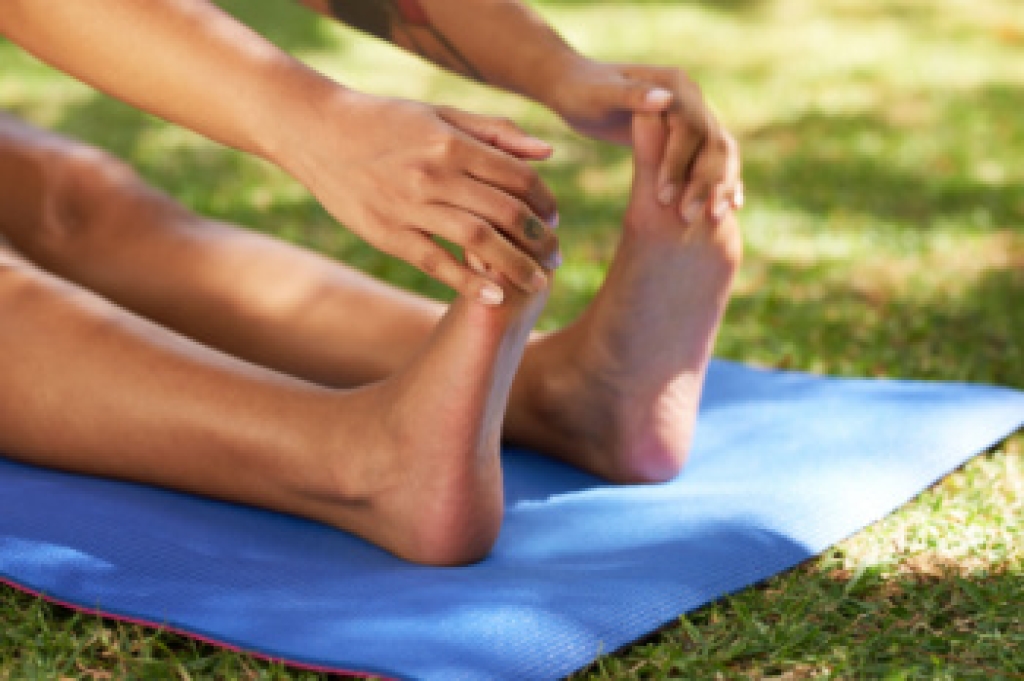
Stretching exercises can help ease aching feet caused by long hours of standing, walking, or wearing shoes with inadequate support. When muscles in the feet and ankles are overworked, they may feel sore or tight. Simple movements like ankle circles, toe spreads, or heel raises can help reduce discomfort by improving flexibility and restoring blood flow. For example, pointing and flexing the foot or performing toe scrunches can help relieve tension across the arches. Calf stretches are also useful, as tight calves can add stress to the feet. A podiatrist may evaluate your foot posture, walking mechanics, and muscle tightness before recommending a specific foot exercise plan. In some cases, foot pain may be linked to issues like poor alignment or structural problems. This may require more advanced care, including orthotics or surgery. If your feet are aching at the end of the day, it is suggested that you schedule an appointment with a podiatrist for a diagnosis, suggested exercises, and appropriate treatment.

Exercising your feet regularly with the proper foot wear is a great way to prevent injuries and build strength. If you have any concerns about your feet, contact Dr. Gerald Perelman from Ohio. Our doctor can provide the care you need to keep you pain-free and on your feet.

Exercise for Your Feet

Exercise for your feet can help you gain strength, mobility and flexibility in your feet. They say that strengthening your feet can be just as rewarding as strengthening another part of the body. Your feet are very important, and we often forget about them in our daily tasks. But it is because of our feet that are we able to get going and do what we need to. For those of us fortunate enough to not have any foot problems, it is an important gesture to take care of them to ensure good health in the long run.

Some foot health exercises can include ankle pumps, tip-toeing, toe rises, lifting off the floor doing reps and sets, and flexing the toes. It is best to speak with Our doctor to determine an appropriate regimen for your needs. Everyone’s needs and bodies are different, and the activities required to maintain strength in the feet vary from individual to individual. 

Once you get into a routine of doing regular exercise, you may notice a difference in your feet and how strong they may become.

If you have any questions, please feel free to contact our office located in Wilmington, OH . We offer the newest diagnostic and treatment technologies for all your foot care needs.

Read more about Exercise for Your Feet
Connect with us