Wilmington (937) 382-2347

Fax
(513) 932-1606

Blog

Exploring Different Types of Bunions

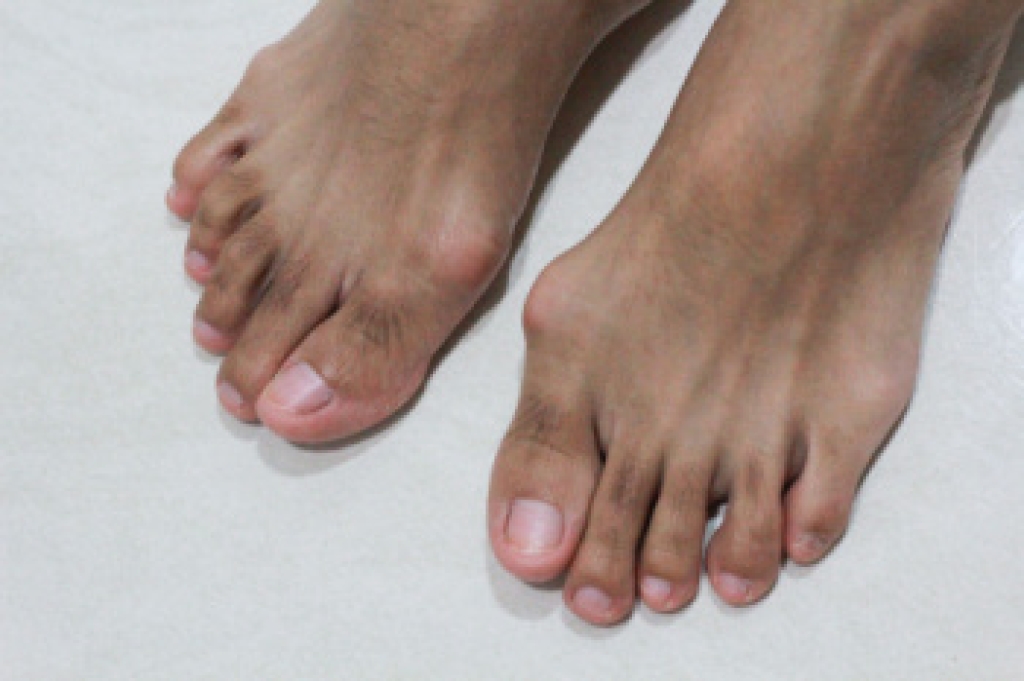
Bunions are bony bumps that form when the bones near a toe joint move out of their normal positions. Three types of bunions are frequently seen by a podiatrist. The most common bunion develops at the base of the big toe. As the tip of the big toe leans toward the second toe, the base of the joint protrudes on the inner side of the foot. A bunionette, also called a tailor’s bunion, develops in a similar way at the base of the pinky toe. An adolescent bunion is frequently linked to an inherited foot shape, and begins in childhood or the teenage years. 

Another way of describing bunions is by their severity. X-rays show the positions of the bones and the amount of joint misalignment. A mild bunion has a smaller change in the bone angles and can cause limited discomfort. A moderate bunion has a greater shift, which can make the bump more noticeable and shoes harder to fit. With a severe bunion, the big toe can press against or overlap the second toe. Pain can interfere with standing, exercise, and daily activities. Some patients also have stiffness or arthritis in the big-toe joint. Skin irritation, corns, or calluses can develop where a bunion rubs against a shoe or where crowded toes touch.

A podiatrist can determine the type and severity of a bunion through an examination and weight-bearing X-rays. Treatment is based on symptoms rather than the bump’s appearance alone. A podiatrist can recommend wearing fitted shoes with a wide toe box, protective padding, or custom orthotics to improve pressure distribution. When pain remains severe or the deformity limits activity, surgery can realign bones and joints. The procedure chosen depends on the bunion’s location and degree of misalignment. Early evaluation can help protect joint function and guide care before symptoms become more limiting. If you have pain from a bunion, it is suggested that you schedule an appointment with a podiatrist for effective relief and management solutions.

If you are suffering from bunion pain, contact Dr. Gerald Perelman of Ohio. Our doctor can provide the care you need to keep you pain-free and on your feet.

What Is a Bunion?

Bunions are painful bony bumps that usually develop on the inside of the foot at the joint of the big toe. As the deformity increases over time, it may become painful to walk and wear shoes. Women are more likely to exacerbate existing bunions since they often wear tight, narrow shoes that shift their toes together. Bunion pain can be relieved by wearing wider shoes with enough room for the toes.

Causes

  • Genetics – some people inherit feet that are more prone to bunion development
  • Inflammatory Conditions - rheumatoid arthritis and polio may cause bunion development

Symptoms

  • Redness and inflammation
  • Pain and tenderness
  • Callus or corns on the bump
  • Restricted motion in the big toe

In order to diagnose your bunion, your podiatrist may ask about your medical history, symptoms, and general health. Your doctor might also order an x-ray to take a closer look at your feet. Nonsurgical treatment options include orthotics, padding, icing, changes in footwear, and medication. If nonsurgical treatments don’t alleviate your bunion pain, surgery may be necessary.

If you have any questions, please feel free to contact our office located in Wilmington, OH . We offer the newest diagnostic and treatment technologies for all your foot care needs.
Read more about What Are Bunions?

When Foot Surgery May Be Needed

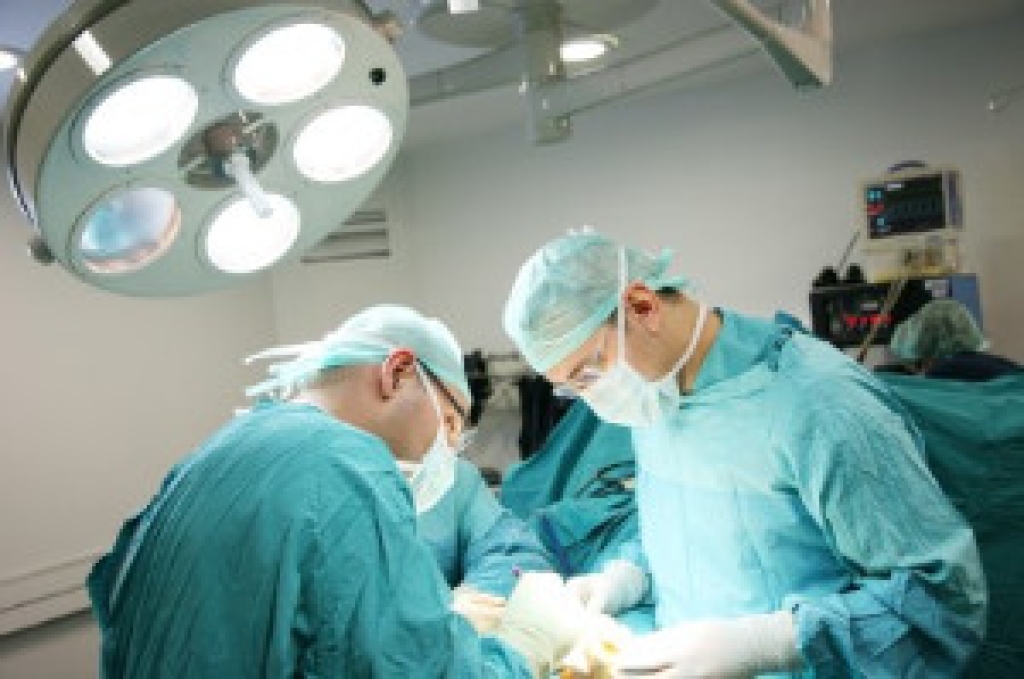
Foot surgery may be considered when a painful foot problem does not improve with more conservative medical treatments. Different procedures are available because foot conditions can affect bones, joints, or soft tissues in different ways. For example, bunion surgery may be recommended when severe pain makes walking or wearing closed shoes difficult. The goal is to realign the joint and reduce pain. Surgery may also be used for hammertoes, which cause a toe to bend abnormally and may become painful when wearing shoes. The exact procedure depends on the problem and how severely it affects daily movement.


Other types of foot surgery address pain or structural problems in different areas of the foot and ankle. Fusion surgery may be performed for arthritis when damaged cartilage allows bones to rub against each other. The procedure joins certain bones together to reduce painful movement. Heel surgery may involve releasing part of the plantar fascia, a strong band of tissue connecting the toes to the heel bone. Surgery can also address damaged or poorly functioning tendons. Depending on the problem, a tendon may be shortened, lengthened, or moved to improve foot or ankle movement.


A podiatrist can evaluate ongoing foot pain and determine whether surgery may be an appropriate treatment option. The evaluation considers the location of the problem, its effect on mobility, and the specific structures involved. A podiatrist can explain available surgical procedures and help determine which approach best fits the patient's condition. Foot surgery may be considered for problems involving bunions, painful joints, or other structural concerns when earlier medical treatments have not provided enough relief. The purpose of treatment includes reducing pain and improving movement so daily activities become easier. If persistent foot pain or a structural problem is interfering with your ability to walk comfortably, it is suggested that you consult a podiatrist for an evaluation and appropriate treatment options.

Foot surgery is sometimes necessary to treat a foot ailment. To learn more, contact Dr. Gerald Perelman of Ohio. Our doctor will assist you with all of your foot and ankle needs.

When Is Surgery Necessary?

Foot and ankle surgery is generally reserved for cases in which less invasive, conservative procedures have failed to alleviate the problem. Some of the cases in which surgery may be necessary include:

  • Removing foot deformities like bunions and bone spurs
  • Severe arthritis that has caused bone issues
  • Cosmetic reconstruction

What Types of Surgery Are There?

The type of surgery you receive will depend on the nature of the problem you have. Some of the possible surgeries include:

  • Bunionectomy for painful bunions
  • Surgical fusion for realignment of bones
  • Neuropathy decompression surgery to treat nerve damage

Benefits of Surgery

Although surgery is usually a last resort, it can provide more complete pain relief compared to non-surgical methods and may allow you to finally resume full activity.

Surgical techniques have also become increasingly sophisticated. Techniques like endoscopic surgery allow for smaller incisions and faster recovery times.

If you have any questions, please feel free to contact our office located in Wilmington, OH . We offer the newest diagnostic and treatment technologies for all your foot care needs.

Read more about Foot Surgery

Foot Mechanics and the Bones That Keep You Moving

Foot biomechanics describes how the feet, joints, and bones work together during standing and movement. Each foot contains 26 bones that create a flexible, yet supportive structure. These bones help absorb impact, maintain balance, and move the body forward. Healthy biomechanics allow the foot to adapt to different surfaces while supporting normal walking and running. Problems with alignment or movement can contribute to foot pain, ankle pain, and uneven pressure.

The foot bones are divided into three groups. The tarsals are seven bones located around the heel and midfoot. They help form the ankle area and provide stability while absorbing force. The five metatarsals connect the midfoot to the toes and help distribute weight during each step. The 14 phalanges form the toes and assist with balance and push-off. Together, these bones create a coordinated foundation that supports the body during activity.

Foot biomechanics can change when the bones, joints, or surrounding tissues do not move normally. Risk factors include previous injuries, structural differences, and repetitive activity. Symptoms may include arch pain, heel pain, or discomfort while walking. A podiatrist evaluates symptoms, examines foot alignment, and observes how the feet move. Treatment may include wearing supportive footwear, custom orthotics, or other targeted care. Imaging tests may be recommended when a bone or joint injury is suspected.

Understanding foot biomechanics can make it easier to recognize why proper support matters. The tarsals provide stability, the metatarsals help distribute pressure, and the phalanges contribute to balance and push-off. These bones do not work separately. Their coordinated movement helps create an efficient stride and reduces stress. If foot or ankle pain affects your movement, it is suggested that you consult a podiatrist for an accurate diagnosis and appropriate treatment.

If you have any concerns about your feet, contact Dr. Gerald Perelman from Ohio. Our doctor can provide the care you need to keep you pain-free and on your feet.

Biomechanics in Podiatry

Podiatric biomechanics is a particular sector of specialty podiatry with licensed practitioners who are trained to diagnose and treat conditions affecting the foot, ankle and lower leg. Biomechanics deals with the forces that act against the body, causing an interference with the biological structures. It focuses on the movement of the ankle, the foot and the forces that interact with them.

A History of Biomechanics

  • Biomechanics dates back to the BC era in Egypt where evidence of professional foot care has been recorded.
  • In 1974, biomechanics gained a higher profile from the studies of Merton Root, who claimed that by changing or controlling the forces between the ankle and the foot, corrections or conditions could be implemented to gain strength and coordination in the area.

Modern technological improvements are based on past theories and therapeutic processes that provide a better understanding of podiatric concepts for biomechanics. Computers can provide accurate information about the forces and patterns of the feet and lower legs.

Understanding biomechanics of the feet can help improve and eliminate pain, stopping further stress to the foot.

If you have any questions please feel free to contact our office located in Wilmington, OH . We offer the newest diagnostic and treatment technologies for all your foot and ankle needs.

Read more about The Importance of Biomechanics in Podiatry

Sesamoiditis and Ball-of-Foot Pain

Sesamoiditis causes pain around two small bones located beneath the joint of the big toe. These bones are called sesamoids, and they help the big toe move while bearing pressure from the body. Unlike most bones, they are connected to tendons rather than directly to other bones. Repeated stress can irritate the sesamoid bones and the surrounding tendons. Pain usually develops in the ball of the foot beneath the big toe. Activities that place repeated pressure on the forefoot can make the discomfort more noticeable and interfere with normal movement.

Sesamoiditis can affect people whose activities place extra force on the front of the foot. Running and dancing can increase stress around the sesamoids. Sports that involve repeated jumping can also contribute to irritation. Symptoms usually develop gradually instead of appearing after one sudden injury. Patients can notice pain when bending or straightening the big toe. Swelling or bruising can also occur around the affected area. Because fractures and other forefoot problems can cause similar symptoms, a careful evaluation is important for identifying the source of pain.

A podiatrist can examine the painful area and evaluate how the big toe moves. The examination can also assess foot structure and how pressure is distributed across the forefoot. Imaging tests can help determine whether a fracture or another bone problem is causing symptoms. Treatment for sesamoiditis focuses on reducing pressure around the painful area and improving foot function. A podiatrist can recommend appropriate shoe changes, padding, or custom orthotics based on examination findings. Treatment can also address movement patterns that increase stress beneath the big toe. If you have symptoms of sesamoiditis, it is suggested that you schedule an appointment with a podiatrist for a diagnosis and appropriate treatment.

Sesamoiditis is an unpleasant foot condition characterized by pain in the balls of the feet. If you think you’re struggling with sesamoiditis, contact Dr. Gerald Perelman of Ohio. Our doctor will treat your condition thoroughly and effectively.

Sesamoiditis

Sesamoiditis is a condition of the foot that affects the ball of the foot. It is more common in younger people than it is in older people. It can also occur with people who have begun a new exercise program, since their bodies are adjusting to the new physical regimen. Pain may also be caused by the inflammation of tendons surrounding the bones. It is important to seek treatment in its early stages because if you ignore the pain, this condition can lead to more serious problems such as severe irritation and bone fractures.

Causes of Sesamoiditis

  • Sudden increase in activity
  • Increase in physically strenuous movement without a proper warm up or build up
  • Foot structure: those who have smaller, bonier feet or those with a high arch may be more susceptible

Treatment for sesamoiditis is non-invasive and simple. Doctors may recommend a strict rest period where the patient forgoes most physical activity. This will help give the patient time to heal their feet through limited activity. For serious cases, it is best to speak with your doctor to determine a treatment option that will help your specific needs.

If you have any questions, please feel free to contact our office located in Wilmington, OH . We offer the newest diagnostic and treatment technologies for all your foot care needs.

Read more about Sesamoiditis

Heel Pain Can Be Treated!

Do you suffer from heel pain when you get up in the morning? If so, you should seek professional help and have a proper diagnosis performed. Heel pain can be caused by several different foot-related conditions.

Connect with us