Wilmington (937) 382-2347

Fax
(513) 932-1606

Blog

Hammertoe Surgery as a Treatment Solution

Hammertoe is a common foot deformity that usually affects the second, third, or fourth toe. It occurs when the middle joint of a toe becomes bent downward, creating a hammer-like appearance. Over time, the affected toe may become rigid and difficult to move. In podiatry, hammertoe is considered a progressive condition, meaning it can worsen if not properly managed.

The primary cause of hammertoe is muscle imbalance in the foot. When the muscles, tendons, and ligaments that control toe movement become uneven, the toe may be pulled into an abnormal position. Wearing tight or narrow shoes is a major contributing factor, as it forces the toes into a cramped space. High-heeled shoes can also increase pressure on the front of the foot, making the condition more likely. Other causes include trauma, arthritis, and genetic foot structure that predisposes a person to toe deformities. Symptoms of hammertoe often begin with mild discomfort. Patients may notice a bent toe that does not straighten easily. Corns or calluses can form on the top of the toe or on the ball of the foot, due to friction and pressure from footwear. As the condition progresses, pain may increase, especially when walking or wearing shoes. In advanced cases, the toe may become stiff and fixed in position, making daily activities more difficult.


Treatment for hammertoe depends on the severity of the condition. Early stages may be managed with shoe modifications, orthotic devices, and padding to reduce pressure on the affected toe. Stretching exercises may help improve flexibility. However, when the deformity becomes rigid or painful, surgical correction may be recommended. Hammertoe surgery involves releasing tight tendons, realigning the toe, and in some cases, removing a small section of bone to restore proper alignment. The goal is to improve function and reduce pain. Recovery time after hammertoe surgery varies, depending on the procedure performed. Most patients can expect swelling and limited activity for several weeks. Full recovery may take several months, with a gradual return to normal footwear and activity levels. If you need hammertoe surgery, it is strongly suggested that you consult a podiatrist who can discuss the benefits of this type of surgery with you.

Foot surgery is sometimes necessary to treat a foot ailment. To learn more, contact Dr. Gerald Perelman of Ohio. Our doctor will assist you with all of your foot and ankle needs.

When Is Surgery Necessary?

Foot and ankle surgery is generally reserved for cases in which less invasive, conservative procedures have failed to alleviate the problem. Some of the cases in which surgery may be necessary include:

  • Removing foot deformities like bunions and bone spurs
  • Severe arthritis that has caused bone issues
  • Cosmetic reconstruction

What Types of Surgery Are There?

The type of surgery you receive will depend on the nature of the problem you have. Some of the possible surgeries include:

  • Bunionectomy for painful bunions
  • Surgical fusion for realignment of bones
  • Neuropathy decompression surgery to treat nerve damage

Benefits of Surgery

Although surgery is usually a last resort, it can provide more complete pain relief compared to non-surgical methods and may allow you to finally resume full activity.

Surgical techniques have also become increasingly sophisticated. Techniques like endoscopic surgery allow for smaller incisions and faster recovery times.

If you have any questions, please feel free to contact our office located in Wilmington, OH . We offer the newest diagnostic and treatment technologies for all your foot care needs.
Read more about Foot and Ankle Surgery

Who Is Affected by Sever’s Disease?

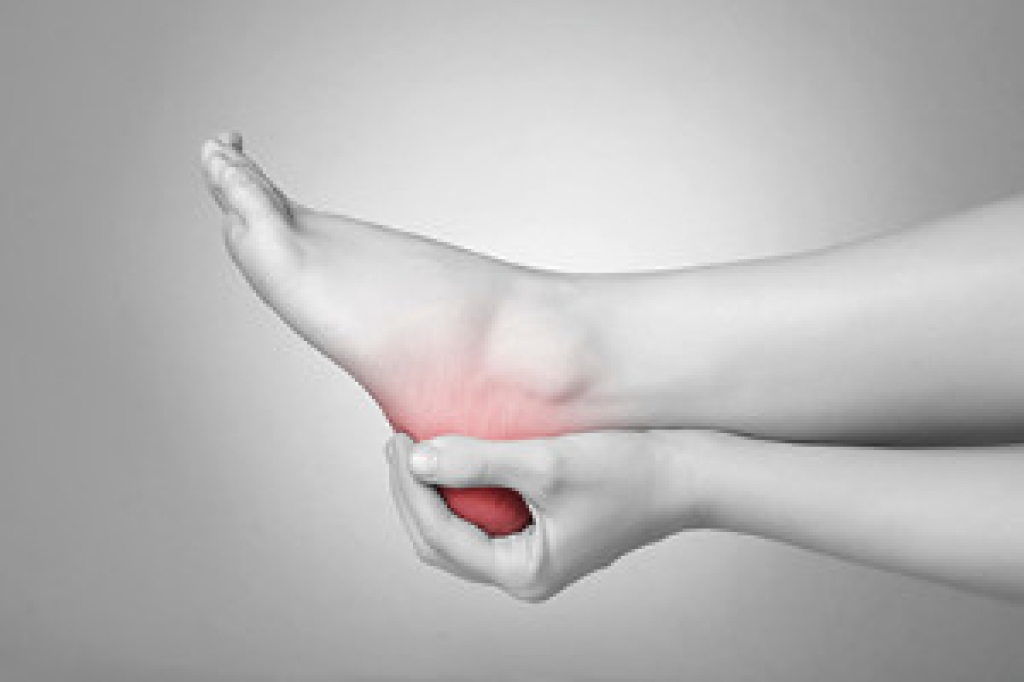
Children and young teenagers who complain of heel pain may be experiencing a condition known as Sever’s disease. This condition is defined as inflammation in the growth plate of the heel due to repetitive force. It can affect children who frequently participate in running and jumping activities, such as soccer, basketball, or gymnastics. Early recognition and treatment is most effective with Sever’s disease. When this condition is managed early on, safe return to play and sports will be more likely. Mild relief can be found when the affected foot is elevate and the activity is temporarily ceased. If your child is limping or complaining of heel pain, it is suggested that you make an appointment with a podiatrist for a diagnosis and treatment options.

Sever's disease often occurs in children and teens. If your child is experiencing foot or ankle pain, see Dr. Gerald Perelman from Ohio. Our doctor can treat your child’s foot and ankle needs.

Sever’s Disease

Sever’s disease is also known as calcaneal apophysitis, which is a medical condition that causes heel pain I none or both feet. The disease is known to affect children between the ages of 8 and 14.

Sever’s disease occurs when part of the child’s heel known as the growth plate (calcaneal epiphysis) is attached to the Achilles tendon. This area can suffer injury when the muscles and tendons of the growing foot do not keep pace with bone growth. Therefore, the constant pain which one experiences at the back of the heel will make the child unable to put any weight on the heel. The child is then forced to walk on their toes.

Symptoms

Acute pain – Pain associated with Sever’s disease is usually felt in the heel when the child engages in physical activity such as walking, jumping and or running.

Highly active – Children who are very active are among the most susceptible in experiencing Sever’s disease, because of the stress and tension placed on their feet.

If you have any questions, please feel free to contact our office located in Wilmington, OH . We offer the newest diagnostic and treatment technologies for all your foot care needs.
Read more about Sever's Disease

Types and Causes of Flat Feet

Flat feet occur when the arches on the inside of the feet are low or missing, causing the entire sole to touch the ground while standing. Flexible flat feet occur when arches appear while sitting, but flatten while standing. This is most common among children. Flat feet may develop in adults because of injuries, arthritis, or weakened tendons that support the arch. Tightness in the Achilles tendon, which connects the calf muscle to the heel, can affect the arch by placing extra strain on the foot. Flat feet can cause heel pain, ankle pain, tired legs, and discomfort while walking or standing for a long time. A podiatrist can examine the feet and check how a person walks in order to recommend treatment options. These options include custom orthotics, supportive footwear, or stretching exercises. If you have foot pain from having flat feet, it is suggested that you schedule an appointment with a podiatrist for effective relief and management tips.

Flatfoot is a condition many people suffer from. If you have flat feet, contact Dr. Gerald Perelman from Ohio. Our doctor will treat your foot and ankle needs.

What Are Flat Feet?

Flatfoot is a condition in which the arch of the foot is depressed and the sole of the foot is almost completely in contact with the ground. About 20-30% of the population generally has flat feet because their arches never formed during growth.

Conditions & Problems:

Having flat feet makes it difficult to run or walk because of the stress placed on the ankles.

Alignment – The general alignment of your legs can be disrupted, because the ankles move inward which can cause major discomfort.

Knees – If you have complications with your knees, flat feet can be a contributor to arthritis in that area.  

Symptoms

  • Pain around the heel or arch area
  • Trouble standing on the tip toe
  • Swelling around the inside of the ankle
  • Flat look to one or both feet
  • Having your shoes feel uneven when worn

Treatment

If you are experiencing pain and stress on the foot you may weaken the posterior tibial tendon, which runs around the inside of the ankle. 

If you have any questions, please feel free to contact our office located in Wilmington, OH . We offer the newest diagnostic and treatment technologies for all your foot care needs.

Read more about Flat Feet

Heel Pain and Plantar Fasciitis

Plantar fasciitis involves inflammation of the plantar fascia, the thick band of tissue that supports the arch along the bottom of the foot. It develops when this tissue becomes overstretched or overused. Causes often include foot arch problems, running long distances, obesity, and a tight Achilles tendon that increases strain on the heel. Symptoms include sharp heel pain, especially with the first steps in the morning, along with stiffness and tenderness. Risk factors include repetitive activity, poor footwear, and limited flexibility. A podiatrist can evaluate the condition, recommend supportive shoes, stretching exercises, and other treatments to reduce discomfort. If you have heel pain, it is suggested that you consult a podiatrist who can accurately diagnose and treat plantar fasciitis. 

Plantar fasciitis can be very painful and inconvenient. If you are experiencing heel pain or symptoms of plantar fasciitis, contact Dr. Gerald Perelman  from Ohio. Our doctor can provide the care you need to keep you pain-free and on your feet.

What Is Plantar Fasciitis?

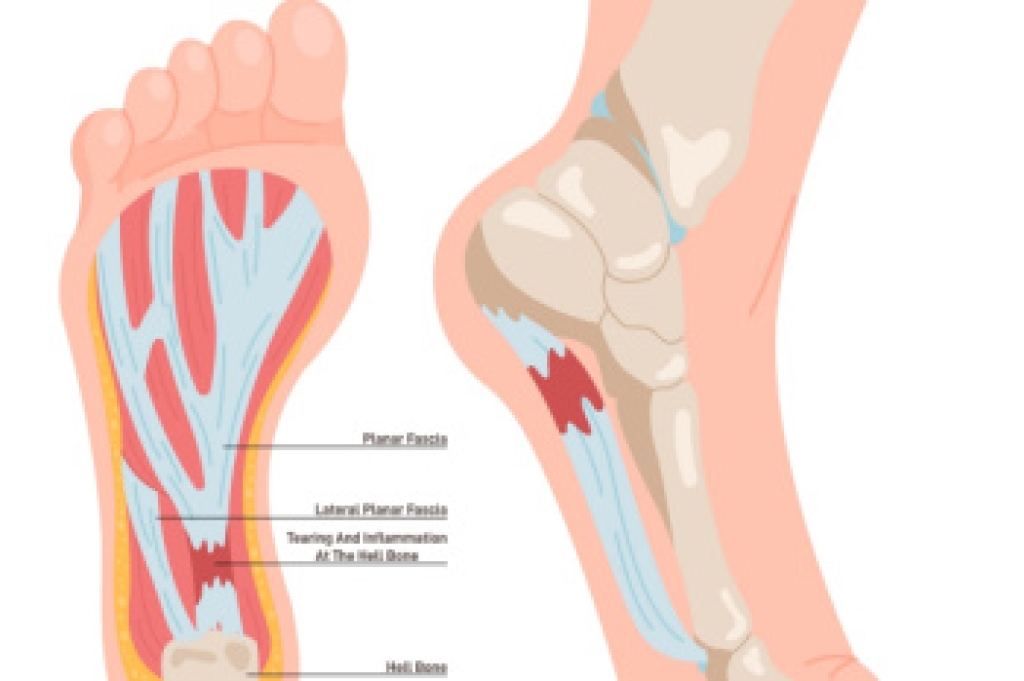
Plantar fasciitis is the inflammation of the thick band of tissue that runs along the bottom of your foot, known as the plantar fascia, and causes mild to severe heel pain.

What Causes Plantar Fasciitis?

  • Excessive running
  • Non-supportive shoes
  • Overpronation
  • Repeated stretching and tearing of the plantar fascia

How Can It Be Treated?

  • Conservative measures – anti-inflammatories, ice packs, stretching exercises, physical therapy, orthotic devices
  • Shockwave therapy – sound waves are sent to the affected area to facilitate healing and are usually used for chronic cases of plantar fasciitis
  • Surgery – usually only used as a last resort when all else fails. The plantar fascia can be surgically detached from the heel

While very treatable, plantar fasciitis is definitely not something that should be ignored. Especially in severe cases, speaking to your doctor right away is highly recommended to avoid complications and severe heel pain. Your podiatrist can work with you to provide the appropriate treatment options tailored to your condition.

If you have any questions, please feel free to contact our office located in Wilmington, OH . We offer the newest diagnostic and treatment technologies for all your foot care needs.

Read more about Plantar Fasciitis

Gout Pain Can Be Managed

Gout is a painful, inflammatory form of arthritis. Those affected will typically feel an intense stiffness in the joints of their feet, particularly in the big toe. Schedule a visit to learn about how gout can be managed and treated.

Connect with us