Wilmington (937) 382-2347

Fax
(513) 932-1606

Blog

How a Podiatrist Treats Cracked Heels

Cracked heels develop when the skin on the bottom or edges of the heel becomes dry, thick, and less flexible. As pressure is placed on the heel while standing or walking, the hardened skin can split and form painful cracks. Some cracks remain shallow, while deeper ones can make daily activities uncomfortable. Patients often notice rough skin, tenderness, or pain with each step. In more severe cases, the cracks can bleed and increase the risk of infection. Several factors contribute to this condition, making a professional evaluation important. A podiatrist can examine the heels, identify the underlying cause, and recommend treatment based on the condition of the skin and surrounding tissues.

Dry skin is one of the leading causes of cracked heels, but other factors can also increase the risk. Standing for long periods of time places repeated pressure on the heels, and encourages the skin to spread outward. Extra body weight can increase this pressure even more.  Wearing shoes that lack proper support or open-backed shoes can also contribute by allowing the heel to expand while walking. Certain medical conditions, like diabetes or thyroid disorders, can affect skin health and increase the chance of heel cracks. A podiatrist performs a thorough examination to determine whether another condition is contributing to the problem, and whether the cracks have become infected.

Treatment depends on the depth of the cracks and the condition of the surrounding skin. A podiatrist can safely remove thickened skin that increases pressure on the heels and contributes to painful splitting. Prescription medications are sometimes recommended when infection or another skin condition is present. Patients also benefit from guidance about wearing shoes that provide proper support to reduce stress on the heels. Early diagnosis and professional treatment can improve comfort, encourage healthy skin, and reduce the chance of deeper cracks developing. If you have developed  cracked heels, it is suggested that you schedule an appointment with a podiatrist for effective relief and treatment solutions.

Cracked heels are unsightly and can cause further damage to your shoes and feet. If you have any concerns, contact Dr. Gerald Perelman from Ohio. Our doctor can provide the care you need to keep you pain-free and on your feet.

Cracked Heels

Cracked heels appear unappealing and can make it harder for you walk around in sandals. Aside from looking unpleasant, cracked heels can also tear stockings, socks, and wear out your shoes. There are several methods to help restore a cracked heel and prevent further damage.

How Do You Get Them?

Dry skin is the number one culprit in creating cracked heels. Many athletes, walkers, joggers, and even swimmers suffer from cracked heels. Age and skin oil production play a role to getting cracked heels as well.

Promote Healing

Over the counter medicines can help, especially for those that need instant relief or who suffer from chronic dry feet.

Wear Socks – Wearing socks with medicated creams helps lock in moisture.

Moisturizers – Applying both day and night will help alleviate dryness which causes cracking.

Pumice Stones – These exfoliate and remove dead skin, which allows for smoother moisturizer application and better absorption into the skin. 

Change in Diet

Eating healthy with a well-balanced diet will give the skin a fresh and radiant look. Your body responds to the kinds of food you ingest. Omega-3 fatty acids and zinc supplements can also revitalize skin tissue.

Most importantly, seek professional help if unsure how to proceed in treating cracked heels. A podiatrist will help you with any questions or information needed. 

If you have any questions, please feel free to contact our office located in Wilmington, OH . We offer the newest diagnostic and treatment technologies for all your foot care needs.

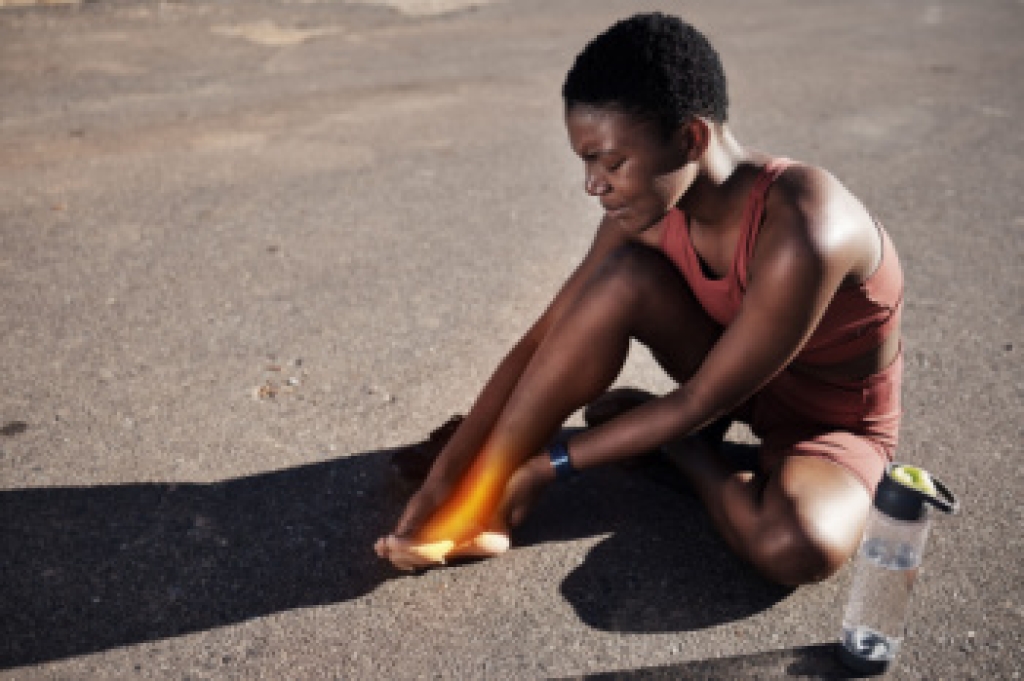
Read more about Solutions for Cracked Heels

Preventing Injury While Wearing High Heels Throughout the Year

High heels are a popular footwear choice in every season, but they can place added stress on the feet and ankles if worn without proper support. This style shifts body weight forward, increasing pressure on the forefoot and affecting balance. Choosing the right shoe shape is important, as styles with a rounded or almond toe box allow for better alignment and reduce crowding of the toes. Opting for shorter heels can also improve stability and make it easier to stay comfortable for extended periods of time, especially when planning to wear heels all night. Selecting supportive footwear is essential for maintaining foot health. Well structured shoes with a wider heel base offer better balance, while closed toe designs can provide added protection when needed. Non-slip soles improve traction on a variety of surfaces, helping to prevent slips and falls. Cushioning and proper fit reduce pressure points and help limit irritation, fatigue, and discomfort during prolonged wear. Taking short breaks, shifting weight, and stretching the feet when possible can also help you wear high heels more comfortably throughout the evening.

Common symptoms associated with improper high heel use include foot pain, ankle instability, and difficulty walking comfortably. Risk factors include prolonged wear, poor shoe fit, narrow toe boxes, and walking on uneven or slick surfaces. Without proper precautions, these issues may lead to sprains, strains, or more serious injuries.

In summary, wearing high heels safely requires thoughtful choices that prioritize balance, support, and proper fit. Paying attention to heel height, shoe shape, and comfort strategies can make a significant difference when wearing heels for long periods. If you have foot pain or have sustained an injury while wearing high heels, it is suggested that you consult a podiatrist for relief tips and guidance on the right type of shoes to wear.

High heels have a history of causing foot and ankle problems. If you have any concerns about your feet or ankles, contact Dr. Gerald Perelman from Ohio. Our doctor can provide the care you need to keep you pain-free and on your feet.

Effects of High Heels on the Feet

High heels are popular shoes among women because of their many styles and societal appeal.  Despite this, high heels can still cause many health problems if worn too frequently.

Which Parts of My Body Will Be Affected by High Heels?

  • Ankle Joints
  • Achilles Tendon – May shorten and stiffen with prolonged wear
  • Balls of the Feet
  • Knees – Heels cause the knees to bend constantly, creating stress on them
  • Back – They decrease the spine’s ability to absorb shock, which may lead to back pain.  The vertebrae of the lower back may compress.

What Kinds of Foot Problems Can Develop from Wearing High Heels?

  • Corns
  • Calluses
  • Hammertoe
  • Bunions
  • Morton’s Neuroma
  • Plantar Fasciitis

How Can I Still Wear High Heels and Maintain Foot Health?

If you want to wear high heeled shoes, make sure that you are not wearing them every day, as this will help prevent long term physical problems.  Try wearing thicker heels as opposed to stilettos to distribute weight more evenly across the feet.  Always make sure you are wearing the proper shoes for the right occasion, such as sneakers for exercising.  If you walk to work, try carrying your heels with you and changing into them once you arrive at work.  Adding inserts to your heels can help cushion your feet and absorb shock. Full foot inserts or metatarsal pads are available. 

If you have any questions, please feel free to contact our office located in Wilmington, OH . We offer the newest diagnostic and treatment technologies for all your foot care needs.
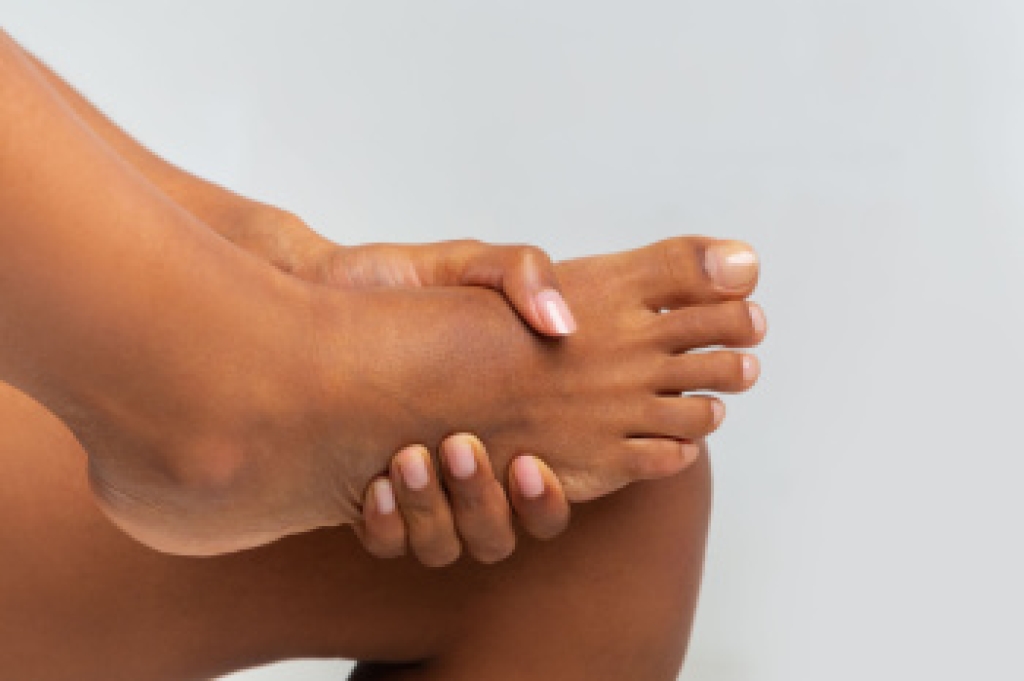
Read more about Effect of High Heels on the Feet

Everyday Habits That Can Lead to Foot Pain

Foot pain is a common issue that can develop from daily habits and lifestyle choices. It refers to discomfort in any part of the foot, including the heel, arch, or sole. While injuries and medical conditions can contribute, many cases of foot pain are linked to preventable behaviors. Activities such as running barefoot, wearing shoes without socks, choosing worn-out running shoes, and frequent use of high heels can place excessive stress on the feet and lead to ongoing discomfort.

Symptoms of foot pain vary depending on the cause but often include aching, burning sensations, or sharp pain during movement. Running barefoot may lead to strain on the plantar fascia and increased pressure on the heel and forefoot. Wearing shoes without socks can cause friction, leading to blisters, irritation, and skin infections. Worn-out running shoes lose their cushioning and support, which can result in joint stress and fatigue. Frequent use of high heels shifts body weight forward, increasing pressure on the ball of the foot and toes.

The causes of foot pain from these behaviors are related to poor support, repetitive stress, and improper alignment. Barefoot running on hard surfaces reduces shock absorption and increases impact forces. Shoes that have lost their structure no longer provide stability, which can affect gait and balance. High heels alter natural foot mechanics and can contribute to deformities over time. Friction from not wearing socks can weaken the skin barrier, making it more prone to injury.

Risk factors include active lifestyles, long periods of standing, improper footwear choices, and lack of foot care awareness. Preventive measures, such as wearing supportive shoes, replacing worn footwear regularly, and using moisture-wicking socks, can reduce the risk of pain. Making small adjustments to daily habits can protect long-term foot health. If you have developed foot pain, it is suggested that you consult a podiatrist for an accurate diagnosis and appropriate treatment for long-term relief.

Foot Pain

Foot pain can be extremely painful and debilitating. If you have a foot pain, consult with Dr. Gerald Perelman from Ohio. Our doctor will assess your condition and provide you with quality foot and ankle treatment.

Causes

Foot pain is a very broad condition that could be caused by one or more ailments. The most common include:

  • Bunions
  • Hammertoes
  • Plantar Fasciitis
  • Bone Spurs
  • Corns
  • Tarsal Tunnel Syndrome
  • Ingrown Toenails
  • Arthritis (such as Gout, Rheumatoid, and Osteoarthritis)
  • Flat Feet
  • Injury (from stress fractures, broken toe, foot, ankle, Achilles tendon ruptures, and sprains)
  • And more

Diagnosis

To figure out the cause of foot pain, podiatrists utilize several different methods. This can range from simple visual inspections and sensation tests to X-rays and MRI scans. Prior medical history, family medical history, and any recent physical traumatic events will all be taken into consideration for a proper diagnosis.

Treatment

Treatment depends upon the cause of the foot pain. Whether it is resting, staying off the foot, or having surgery; podiatrists have a number of treatment options available for foot pain.

If you have any questions, please feel free to contact our office located in Wilmington, OH . We offer the newest diagnostic and treatment technologies for all your foot care needs.

Read more about Foot Pain

Maintaining Healthy Feet

Everyday foot care is an important part of maintaining overall health and mobility. The feet contain numerous bones, joints, muscles, and ligaments that work together to support the body during standing, walking, and other daily activities. Because the feet absorb significant pressure throughout the day, even minor problems can affect comfort and movement. Common foot concerns include calluses, corns, nail problems, and heel pain. Ignoring these issues may lead to discomfort that interferes with work, exercise, and everyday routines. Paying attention to foot health can help identify concerns early and support long-term mobility.

Foot problems can develop gradually and may not always cause immediate symptoms. Changes in foot shape, skin condition, or walking patterns can sometimes indicate an underlying issue. Individuals who spend long hours on their feet or participate in regular physical activity may place additional stress on the feet and ankles. Over time, this strain can contribute to pain, fatigue, and reduced function. Certain health conditions may also affect circulation and sensation in the feet, increasing the importance of regular foot evaluations. Because healthy feet are essential for balance and movement, addressing concerns before they become more serious can help preserve overall quality of life.

Podiatric care focuses on preventing, diagnosing, and treating a wide range of foot and ankle conditions. A podiatrist can evaluate foot structure, gait, and overall foot health to identify problems that may be affecting comfort or mobility. Professional care may help manage common issues such as foot pain, skin concerns, and nail disorders while supporting proper foot function. Regular podiatric evaluations can also help detect changes that might otherwise go unnoticed. By promoting healthy feet and addressing concerns early, podiatric care can play an important role in maintaining an active lifestyle. If you are experiencing foot pain or other foot-related concerns, it is suggested that you consult a podiatrist for an evaluation and appropriate treatment options.

Everyday foot care is very important to prevent infection and other foot ailments. If you need your feet checked, contact Dr. Gerald Perelman from Ohio. Our doctor can provide the care you need to keep you pain-free and on your feet.

Everyday Foot Care

Often, people take care of their bodies, face and hair more so than they do for their feet. But the feet are a very important aspect of our bodies, and one that we should pay more attention to. Without our feet, we would not be able to perform most daily tasks.

It is best to check your feet regularly to make sure there are no new bruises or cuts that you may not have noticed before. For dry feet, moisturizer can easily be a remedy and can be applied as often as necessary to the affected areas. Wearing shoes that fit well can also help you maintain good foot health, as well as making it easier to walk and do daily activities without the stress or pain of ill-fitting shoes, high heels, or even flip flops. Wearing clean socks with closed shoes is important to ensure that sweat and bacteria do not accumulate within the shoe. Clean socks help to prevent Athlete’s foot, fungi problems, bad odors, and can absorb sweat.

If you have any questions, please feel free to contact our office located in Wilmington, OH . We offer the newest diagnostic and treatment technologies for all your foot care needs.

Read more about Everyday Foot Care
Connect with us