Wilmington (937) 382-2347

Fax
(513) 932-1606

Blog

The Difference Between a Sprained and Broken Ankle

Ankle injuries are common, and it can be difficult to tell the difference between a sprain and a break. A sprained ankle occurs when the ligaments are stretched or torn, often from twisting or rolling the foot during sports or walking on uneven ground. A broken ankle, or fracture, happens when one or more bones in the ankle joint break, usually from a fall, direct impact, or severe twisting injury. Symptoms of both include pain, swelling, bruising, and difficulty walking. However, a break may cause more intense pain, visible deformity, or an inability to bear weight at all. The area might feel tender to the touch and appear misshapen or unstable. A podiatrist can perform a physical exam, take X-rays, and determine whether the injury is a sprain or fracture. Treatment may involve rest, bracing, targeted exercises, or, in some cases, surgery. If you have injured your ankle, it is suggested that you schedule an appointment with a podiatrist for appropriate treatment solutions.

Broken ankles need immediate treatment. If you are seeking treatment, contact Dr. Gerald Perelman from Ohio. Our doctor can provide the care you need to keep you pain-free and on your feet. 

Broken Ankles
A broken ankle is experienced when a person fractures their tibia or fibula in the lower leg and ankle area. Both of these bones are attached at the bottom of the leg and combine to form what we know to be our ankle.

When a physician is referring to a break of the ankle, he or she is usually referring to a break in the area where the tibia and fibula are joined to create our ankle joint. Ankles are more prone to fractures because the ankle is an area that suffers a lot of pressure and stress. There are some obvious signs when a person experiences a fractured ankle, and the following symptoms may be present.

Symptoms of a Fractured Ankle

  • Excessive pain when the area is touched or when any pressure is placed on the ankle
  • Swelling around the area
  • Bruising of the area
  • Area appears to be deformed

If you suspect an ankle fracture, it is recommended to seek treatment as soon as possible. The sooner you have your podiatrist diagnose the fracture, the quicker you’ll be on the way towards recovery.

If you have any questions, please feel free to contact our office located in Wilmington, OH . We offer the newest diagnostic and treatment technologies for all your foot care needs.


Read more about Broken Ankle Causes, Differences, Symptoms and Treatments

The Importance of Diabetic Foot Care for Lasting Health

Diabetic foot care is essential for preventing serious complications. Diabetes can lead to reduced circulation, nerve damage, and delayed healing, making the feet vulnerable to injury, infection, and ulcers. Any change in color, shape, sensitivity, or the presence of numbness should be addressed promptly. Even a minor injury can become severe without proper care. Regular podiatric visits help detect early signs of problems and provide professional guidance for daily foot care, nail trimming, and footwear. A podiatrist can also manage wounds, treat infections, and recommend preventive measures tailored to your needs. If you have diabetes, it is strongly suggested that you are under the care of a podiatrist who can help you to manage this serious condition.

Diabetic foot care is important in preventing foot ailments such as ulcers. If you are suffering from diabetes or have any other concerns about your feet, contact Dr. Gerald Perelman from Ohio. Our doctor can provide the care you need to keep you pain-free and on your feet.

Diabetic Foot Care

Diabetes affects millions of people every year. The condition can damage blood vessels in many parts of the body, especially the feet. Because of this, taking care of your feet is essential if you have diabetes, and having a podiatrist help monitor your foot health is highly recommended.

The Importance of Caring for Your Feet

  • Routinely inspect your feet for bruises or sores.
  • Wear socks that fit your feet comfortably.
  • Wear comfortable shoes that provide adequate support.

Patients with diabetes should have their doctor monitor their blood levels, as blood sugar levels play such a huge role in diabetic care. Monitoring these levels on a regular basis is highly advised.

It is always best to inform your healthcare professional of any concerns you may have regarding your feet, especially for diabetic patients. Early treatment and routine foot examinations are keys to maintaining proper health, especially because severe complications can arise if proper treatment is not applied.

If you have any questions, please feel free to contact our office located in Wilmington, OH . We offer the newest diagnostic and treatment technologies for all your foot care needs.

Read more about Diabetic Foot Care

Common Foot Problems in Older Adults

As people age, their feet become more vulnerable to a range of issues, including fractures, gout, toenail disorders, and peripheral arterial disease, or PAD. Fractures can occur from falls or weakened bones, and may cause swelling, bruising, and sharp pain. Gout, often affecting the big toe, causes sudden, intense pain, redness, and warmth due to uric acid buildup. Thick, discolored, or ingrown toenails can lead to pain and infection, while PAD, a circulation problem, can cause leg cramping, cold feet, and slow-healing wounds. These conditions may make walking difficult and affect overall mobility and independence. A podiatrist can diagnose these issues through exams and imaging. Treatment options include medications, custom orthotics, nail care, wound management, and footwear changes to reduce pain and improve function. If you have any of these issues, it is suggested that you schedule an appointment with a podiatrist for appropriate treatment solutions.

If you need your feet checked, contact Dr. Gerald Perelman of Ohio. Our doctor will attend to all of your foot and ankle needs and provide you with quality treatment.

Geriatrics and Podiatry
When people age, some common issues that may occur are bone density loss, dry skin, poor circulation, and rough brittle nails. These issues may also affect your foot health if the necessary steps are not taken to alleviate the problems.

It is important to take care of your feet because feet that are injured or diseased can affect your overall health. Having painful feet hinders your ability to do daily activities or may decrease your willingness to do the things that you need to do.

Visiting Your Geriatrician
As we age, health problems become more likely, so it is essential to visit your doctor for check-ups to ensure that you are doing the best you can to take care of your health. It is recommended to check your feet frequently for any possible cuts, bruises, swelling, corns or any other irregularities. 

Taking Care of Elderly Feet
Cracked or dry feet can be treated by applying moisturizer often. It is also important not to wear old socks because the older the sock is, the higher the possibility there will be that there is bacteria there. Wear fresh socks and make sure they fit properly.

Proper foot health means that you can have a more active lifestyle and you will not be bogged down by pain. Foot health also leads to good circulation, which is paramount for overall health.

If you have any questions, please feel free to contact our office located in Wilmington, OH . We offer the newest diagnostic and treatment technologies for all your foot care needs.
Read more about Geriatrics and Podiatry

Finding Relief for a Broken Pinky Toe

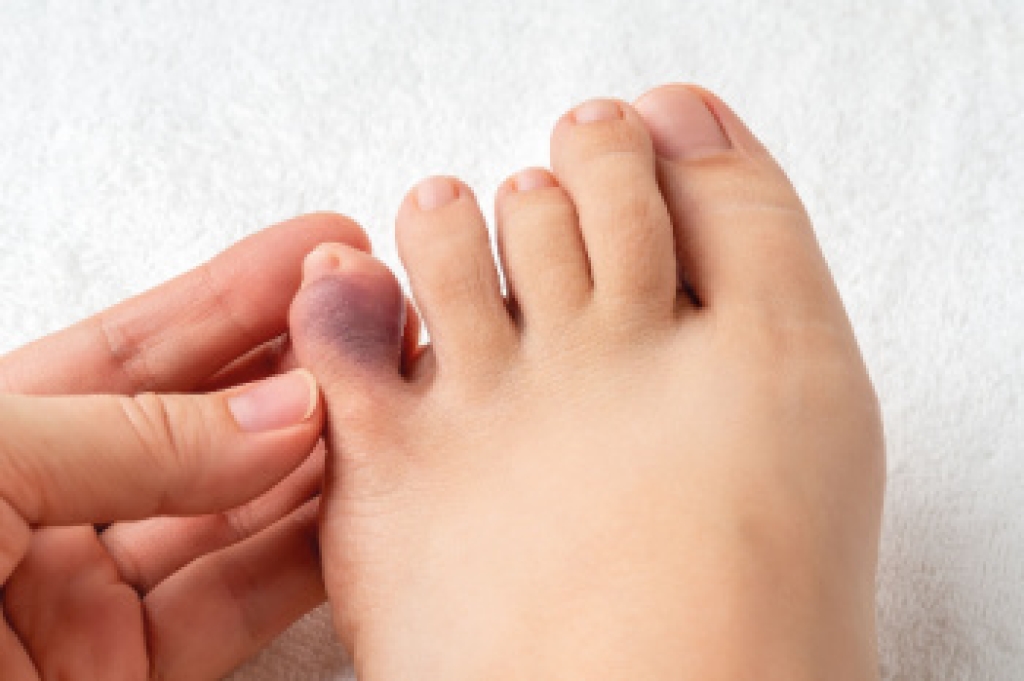
A broken pinky toe often results from direct trauma, such as stubbing the toe or dropping something heavy on it. This leads to pain, swelling, bruising, or a crooked appearance. Most fractures happen at the base of the pinky toe, though other foot injuries like sprains, dislocations, or stress fractures can produce similar symptoms. A podiatrist can examine the foot, check for signs of a fracture, and order X-rays if necessary. Treatment for may involve taping the pinky toe to a neighboring toe, using a stiff-soled shoe, or recommending limited weight-bearing with crutches. In some cases, a cast may be required to immobilize the area. Surgery might be considered when the bone fragments do not align properly or when multiple breaks occur. It is important not to ignore a suspected fracture, as doing so may increase the risk of long-term foot problems. If you have injured your pinky toe, it is suggested that you schedule an appointment with a podiatrist for an exam and appropriate treatment options.

Broken toes may cause a lot of pain and should be treated as soon as possible. If you have any concerns about your feet, contact Dr. Gerald Perelman from Ohio. Our doctor will treat your foot and ankle needs.

What Is a Broken Toe?

A broken toe occurs when one or more of the toe bones of the foot are broken after an injury. Injuries such as stubbing your toe or dropping a heavy object on it may cause a toe fracture.

Symptoms of a Broken Toe

  • Swelling
  • Pain (with/without wearing shoes)
  • Stiffness
  • Nail Injury

Although the injured toe should be monitored daily, it is especially important to have a podiatrist look at your toe if you have severe symptoms. Some of these symptoms include worsening or new pain that is not relieved with medication, sores, redness, or open wounds near the toe.

If you have any questions please feel free to contact our office located in Wilmington, OH . We offer the newest diagnostic tools and technology to treat your foot and ankle needs.

Read more about What to Know About a Broken Toe
Connect with us