Wilmington (937) 382-2347

Fax
(513) 932-1606

Blog

Ankle Sprains and Their Severity

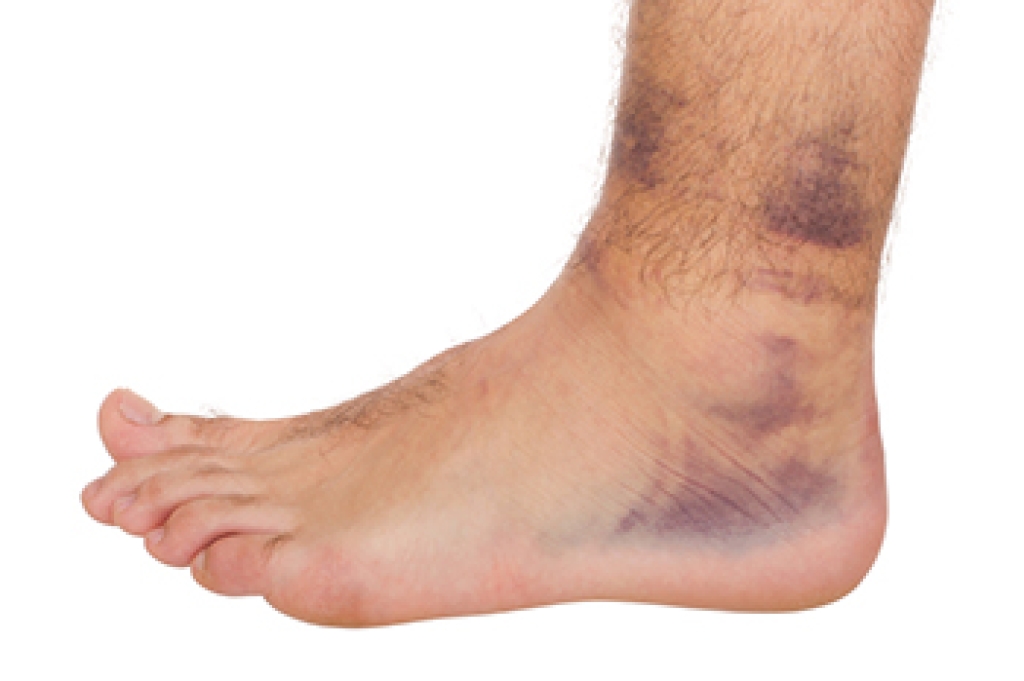
An ankle sprain occurs when the ligaments on the outside of the ankle are stretched or torn due to sudden twisting or rolling of the foot. Symptoms include swollen painful tissue, bruising, and difficulty walking. Grade 1 sprains involve mild stretching of the ligament with slight tenderness. Grade 2 sprains include partial tearing with noticeable swelling and reduced movement. Grade 3 sprains involve a complete tear with significant instability and severe pain. A podiatrist can diagnose the severity, provide proper treatment, and create a targeted exercise plan to restore strength and stability. Prompt care reduces the risk of long term problems. If you have sprained your ankle, it is suggested that you promptly schedule an appointment with a podiatrist who can provide an accurate diagnosis and treatment.

Although ankle sprains are common, they aren’t always minor injuries. If you need your ankle injury looked at, contact Dr. Gerald Perelman from Ohio. Our doctor can provide the care you need to keep you pain-free and on your feet.

How Does an Ankle Sprain Occur?

Ankle sprains are the result of a tear in the ligaments within the ankle. These injuries may happen when you make a rapid shifting movement while your foot is planted. A less common way to sprain your ankle is when your ankle rolls inward while your foot turns outward.

What Are the Symptoms?

  • Pain at the sight of the tear
  • Bruising/Swelling
  • Ankle area is tender to touch
  • In severe cases, may hear/feel something tear
  • Skin discoloration

Preventing a Sprain

  • Wearing appropriate shoes for the occasion
  • Stretching before exercises and sports
  • Knowing your limits

Treatment of a Sprain

In many cases, the RICE method (Rest, Ice, Compression, and Elevate) is used to treat ankle sprains. However, you should see a podiatrist to see which treatment option would work best with your injury. In severe cases, surgery may be required.

It is important to ask your doctor about rehab options after you receive treatment for your injury. Stretching, strength training, and balance exercises may help the ankle heal while also preventing further injury.

If you have any questions, please feel free to contact our office located in Wilmington, OH . We offer the newest diagnostic and treatment technologies for all your foot care needs.


Read more about Ankle Sprains

Understanding the Differences in Foot Wounds

Not all foot wounds are the same, and knowing the difference can guide proper care. Arterial wounds often develop when blood flow to the feet is poor. These wounds are usually painful, may appear on the toes or heels, and often have a pale or punched out look. Venous wounds occur when veins are not moving blood efficiently back to the heart. These are commonly found around the ankles, may be less painful, and often appear with swelling or discoloration of the skin. Neurotrophic wounds, often linked to diabetes or nerve damage, may form on pressure points of the feet. Because sensation is reduced, these wounds can develop unnoticed and worsen over time.  wound  type has distinct causes and needs special attention. If you notice any foot or ankle wound that is not healing, it is suggested that you consult a podiatrist for evaluation and appropriate treatment.

Wound care is an important part in dealing with diabetes. If you have diabetes and a foot wound or would like more information about wound care for diabetics, consult with Dr. Gerald Perelman from Ohio. Our doctor will assess your condition and provide you with quality foot and ankle treatment.

What Is Wound Care?

Wound care is the practice of taking proper care of a wound. This can range from the smallest to the largest of wounds. While everyone can benefit from proper wound care, it is much more important for diabetics. Diabetics often suffer from poor blood circulation which causes wounds to heal much slower than they would in a non-diabetic. 

What Is the Importance of Wound Care?

While it may not seem apparent with small ulcers on the foot, for diabetics, any size ulcer can become infected. Diabetics often also suffer from neuropathy, or nerve loss. This means they might not even feel when they have an ulcer on their foot. If the wound becomes severely infected, amputation may be necessary. Therefore, it is of the upmost importance to properly care for any and all foot wounds.

How to Care for Wounds

The best way to care for foot wounds is to prevent them. For diabetics, this means daily inspections of the feet for any signs of abnormalities or ulcers. It is also recommended to see a podiatrist several times a year for a foot inspection. If you do have an ulcer, run the wound under water to clear dirt from the wound; then apply antibiotic ointment to the wound and cover with a bandage. Bandages should be changed daily and keeping pressure off the wound is smart. It is advised to see a podiatrist, who can keep an eye on it.

If you have any questions please contact our office located in Wilmington, OH . We offer the newest diagnostic and treatment technologies for all your foot and ankle needs.

Read more about Wound Care

Types of Broken Toes

Broken toes can range from simple cracks in the bone to more severe fractures that involve joint displacement or multiple bone fragments. These injuries often result from sudden trauma, such as dropping a heavy object on the foot or forcefully striking a hard surface. Common symptoms include sharp pain, swelling, bruising, and difficulty walking, especially if pressure on the affected toe causes discomfort. A toe that appears crooked or shortened compared to its neighbors may indicate a displaced fracture or dislocation.  A podiatrist will typically perform a thorough foot exam and may use  X-rays to confirm the type and severity of the fracture. If the bone is misaligned or severely broken, surgery may be needed to restore proper toe position and prevent long-term complications. If you have broken a toe, it is suggested that you make an appointment with a podiatrist for an exam and suggested treatment options.

A broken toe can be very painful and lead to complications if not properly fixed. If you have any concerns about your feet, contact Dr. Gerald Perelman from Ohio. Our doctor will treat your foot and ankle needs.

What to Know About a Broken Toe

Although most people try to avoid foot trauma such as banging, stubbing, or dropping heavy objects on their feet, the unfortunate fact is that it is a common occurrence. Given the fact that toes are positioned in front of the feet, they typically sustain the brunt of such trauma. When trauma occurs to a toe, the result can be a painful break (fracture).

Symptoms of a Broken Toe

  • Throbbing pain
  • Swelling
  • Bruising on the skin and toenail
  • The inability to move the toe
  • Toe appears crooked or disfigured
  • Tingling or numbness in the toe

Generally, it is best to stay off of the injured toe with the affected foot elevated.

Severe toe fractures may be treated with a splint, cast, and in some cases, minor surgery. Due to its position and the pressure it endures with daily activity, future complications can occur if the big toe is not properly treated.

If you have any questions, please feel free to contact our office located in Wilmington, OH . We offer the newest diagnostic and treatment technologies for all your foot care needs.

Read more about What to Know About a Broken Toe

Heel Pain Can Be Treated!

Do you suffer from heel pain when you get up in the morning? If so, you should seek professional help and have a proper diagnosis performed. Heel pain can be caused by several different foot-related conditions.

A Podiatrist’s Help With an Ankle Fracture

An ankle fracture is a break in one or more of the bones that make up the ankle joint, often caused by sudden force or twisting. In frail adults, it can occur from a simple fall or awkward turn, while in younger individuals, it is often the result of high energy trauma ,such as sports injuries or accidents. Symptoms include pain, swelling, bruising, and difficulty bearing weight. A podiatrist can diagnose the severity through imaging, provide proper immobilization, and guide rehabilitation to restore strength and function. For an expert diagnosis and personalized treatment, it is suggested that you consult a podiatrist who can offer effective treatment solutions.

Broken ankles need immediate treatment. If you are seeking treatment, contact Dr. Gerald Perelman from Ohio. Our doctor can provide the care you need to keep you pain-free and on your feet. 

Broken Ankles
A broken ankle is experienced when a person fractures their tibia or fibula in the lower leg and ankle area. Both of these bones are attached at the bottom of the leg and combine to form what we know to be our ankle.

When a physician is referring to a break of the ankle, he or she is usually referring to a break in the area where the tibia and fibula are joined to create our ankle joint. Ankles are more prone to fractures because the ankle is an area that suffers a lot of pressure and stress. There are some obvious signs when a person experiences a fractured ankle, and the following symptoms may be present.

Symptoms of a Fractured Ankle

  • Excessive pain when the area is touched or when any pressure is placed on the ankle
  • Swelling around the area
  • Bruising of the area
  • Area appears to be deformed

If you suspect an ankle fracture, it is recommended to seek treatment as soon as possible. The sooner you have your podiatrist diagnose the fracture, the quicker you’ll be on the way towards recovery.

If you have any questions, please feel free to contact our office located in Wilmington, OH . We offer the newest diagnostic and treatment technologies for all your foot care needs.

Read more about All About Broken Ankles
Connect with us